Urban Flight and the Desire for Space
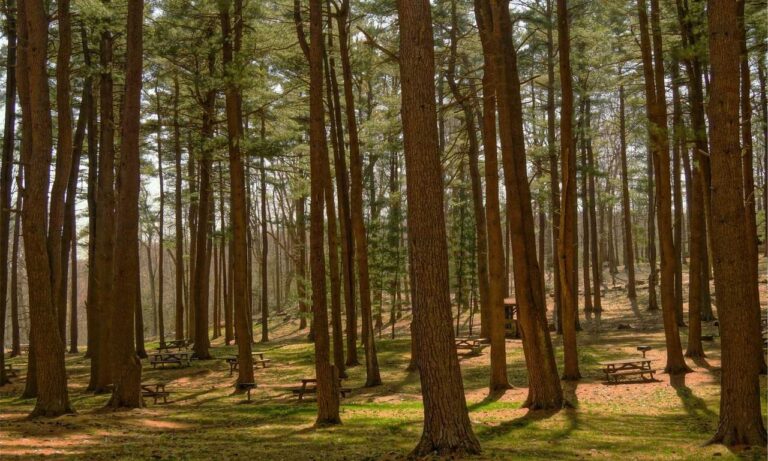
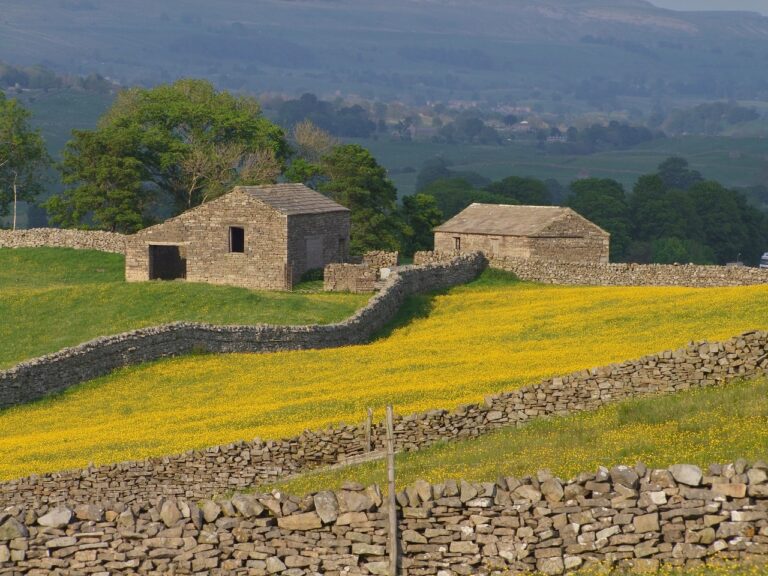
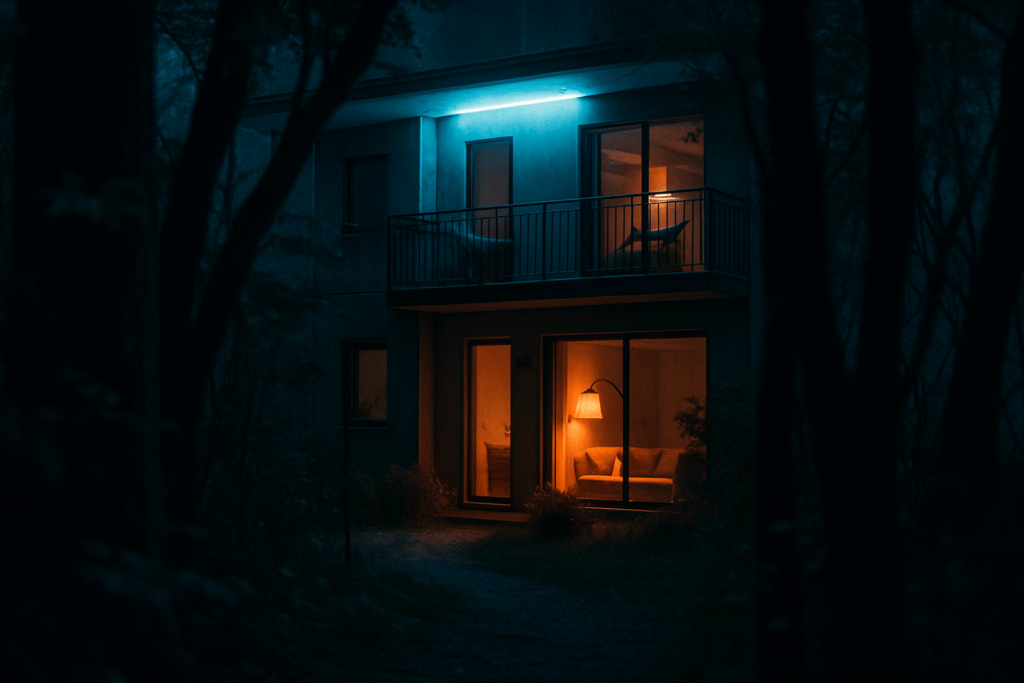
Remote work didn’t just change how people work it changed where they want to live. Untethered from daily commutes, more buyers are heading for the outskirts: rural towns, small cities, quiet lake regions. Places that used to be weekend escapes are now full time homes or long term retreats. Flexible work hours only make that easier. If you can take a Zoom call from a cabin before logging off for a sunset hike, why not?
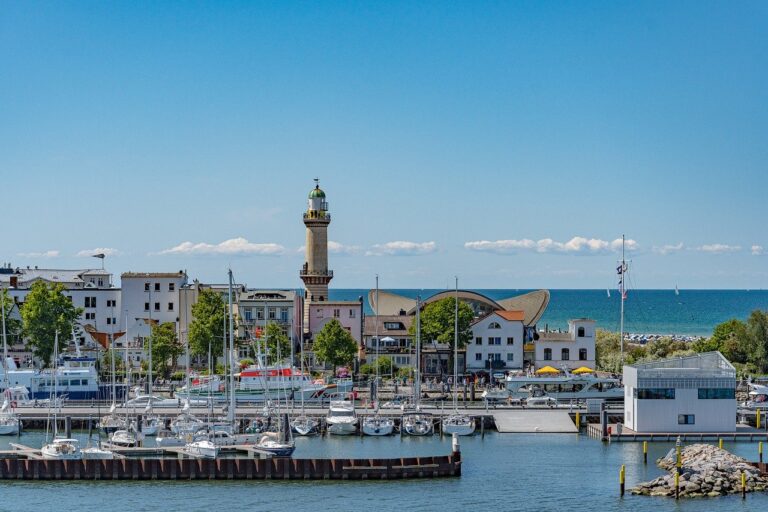
Destinations like the Hudson Valley, Asheville, and parts of the Pacific Northwest are seeing a surge in demand. Southern getaways like the Texas Hill Country and coastal Carolinas are heating up, too. These aren’t just vacation spots anymore they’re hybrid homes that offer lifestyle upgrades without sacrificing digital connection.
The bet buyers are making is that flexibility isn’t going away. They’re planning around a future where the office is optional and space matters more than proximity. In that world, a second home suddenly looks like a smart first choice.
Investment Appeal of Vacation Properties
Vacation homes aren’t just weekend getaways anymore. In 2024, they’re becoming serious financial tools. One big reason? They hold value. Properties in top leisure markets think coastal towns, lake regions, mountain escapes have shown steady appreciation over the last decade, even through downturns. People still want to be where the view is good and the pace is slow.
But it’s not just about buying for personal escape. More second home owners are looking at dual purpose setups: places they can enjoy for a few weeks a year and rent out the rest. Platforms like Airbnb and Vrbo make it simple, and with smart management tools, passive income is more achievable than ever.
Buyers are running the numbers differently now. A vacation home isn’t just a luxury it’s a portfolio piece. From tax advantages to rising rental rates, these properties are being leveraged not just for lifestyle but for long game wealth building. And with inflation putting pressure on traditional savings, a second home that pays for itself while climbing in value is looking especially attractive.
Demand Surge in Short Term Rentals

Short term rentals (STRs) aren’t just booming they’re getting smarter. Tech platforms are flooding the market, making it easier than ever to list, price, and manage a property with a few clicks. From automated calendar syncs to dynamic pricing tools, a single owner can now operate like a mini hotel chain, even from a distance.
But it’s not all frictionless growth. Cities and towns are cracking down with new regulations permit caps, zoning rules, and occupancy minimums designed to balance tourism with livability. What worked in 2020 might be off limits in 2024. Smart investors are pairing local legal research with digital tools to stay one step ahead.
Meanwhile, the savviest buyers aren’t just looking at curb appeal they’re monitoring STR return data like seasoned analysts. Rental income potential is becoming a key driver in location choice, especially in hotspots with consistent seasonal demand. Markets like coastal towns, mountain getaways, and national park adjacent zones are under the spotlight.
Explore more on the shifting landscape of STRs here: short term rental trends.
Eco Friendly and Low Maintenance Appeal
Buyers aren’t just looking for beautiful views and hot tubs anymore. The market’s leaning hard toward sustainability and for good reason. Energy efficient vacation homes are in high demand. Think solar panels, high performance windows, and insulation that actually does its job. People want their second homes to work smarter, not harder and cost less to maintain while doing it.
Smart tech is another piece of the puzzle. Homeowners are installing remote monitoring systems to track everything from temperature to water leaks. For anyone managing a second property from hundreds of miles away, being able to see what’s running and turn it off or fix it digitally is peace of mind you can’t put a price on. Smart locks, automated HVAC, and leak detectors have moved from nice to haves to must haves.
Sustainability isn’t just good for the planet it’s proving valuable at resale. Buyers are paying attention to green features, and homes that check these boxes tend to move faster and price higher. Owners who invest in eco upgrades now aren’t just saving on monthly bills they’re setting themselves up for solid returns down the line.
Generational Shifts in Ownership
Millennials are stepping into the vacation home market with a different mindset than their parents. For one, they’re doing it earlier. Instead of waiting until mid career or retirement, many buyers in their 30s are making second home purchases a reality, often by pooling resources or thinking creatively about use.
Shared ownership models whether it’s close friends co buying, informal fractional setups, or startup backed co ownership platforms are taking off. It’s one way to manage rising prices without giving up the dream of a second place to escape (or work remotely.
There’s also a shift in how vacation homes are being used. Today’s buyers aren’t just snagging a house for summer getaways. These properties double as work from home retreats, multigenerational gathering spots, or personal/professional hybrids. Blended families are buying spots that serve varied needs year round. The single purpose “beach house” is slowly being edged out by flexible, multi function spaces that fit modern life.
In short: younger buyers are cracking the second home code, even if they’re using keys differently than the last generation.
Market Outlook
Expect property prices in popular second home regions to keep climbing through 2024, though not at the rocket pace we saw during the 2020 2022 boom. Markets like the Florida Gulf Coast, parts of the Carolinas, the Hudson Valley, and mountain towns in Colorado and Utah are still seeing steady year over year growth, especially in areas with strong rental potential. Inventory remains tight, and well located homes that double as short term rentals are being snapped up fast.
Mortgage rates are one of the big wildcards this year. While we’ve seen some softening recently, rates are still high compared to pandemic era lows. For second home buyers, that means higher monthly costs and for many, more strategic purchasing. Cash buyers remain active and dominant, but others are leaning into adjustable rate mortgages or co buying structures to make the math work.
As interest grows around high yield vacation zones, competition’s heating up. Buyers are doing their homework, chasing reliable occupancy rates, and acting fast when the right property hits the market. Whether it’s a ski in chalet in Park City or a lakefront escape in Michigan, prime STR ready homes are drawing bidding wars. Those who wait too long risk getting priced out or settling for lower income properties.
For added context on how short term rental trends play into this, check out this detailed breakdown.