Shifting Risk Zones
The map of desirable real estate is getting a serious redraw. Flooding, fire seasons, and brutal heat aren’t just headlines they’re reshaping where people want to live and where they’re willing to invest.
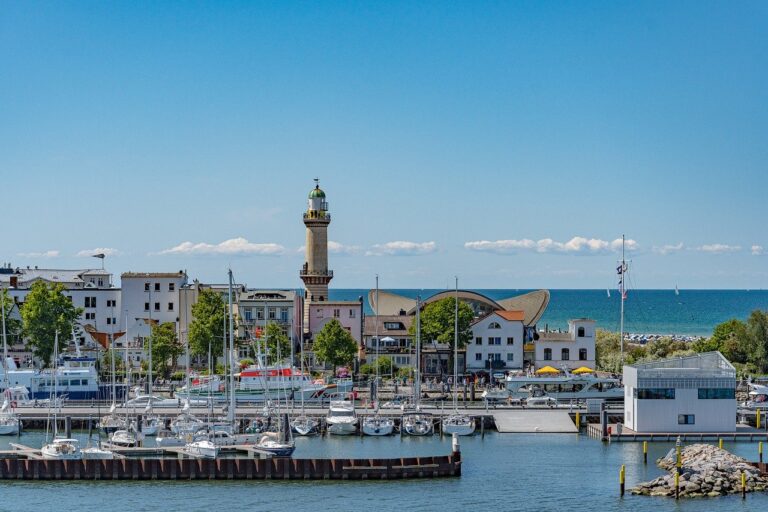
Coastal homes, once prime assets, are now under a harsh lens. Higher insurance premiums, flood risks, and erosion are driving up the long term costs and pushing some buyers to walk away altogether. Wildfire prone regions face similar scrutiny, as entire neighborhoods reevaluate the cost benefit of staying put.
Meanwhile, inland and elevated areas, often overlooked in past buying cycles, are drawing fresh attention. Think properties in the interior Western states or higher ground suburban pockets. These zones promise fewer climate shocks, cheaper insurance, and more stable infrastructure. For investors and homebuyers alike, it’s less about ocean views and more about long term viability.
Market Reactions & Investor Behavior
Climate change is not just reshaping the natural world it’s transforming how markets react and investors plan. From insurance policies to institutional portfolios, the effects are already being felt.
Insurance in Retreat
As climate related disasters increase in frequency and severity, insurers are recalibrating their risk models. In some cases, they’re pulling out entirely from high risk zones like certain coastal or wildfire prone areas.
Limited or denied coverage in vulnerable regions
Increased premiums for properties in flood or fire prone locations
Stricter underwriting standards based on projected climate risk
Buyers Want More Than Brochures
Today’s buyers aren’t just looking at kitchens and floor plans they want hard data on climate risks.
Demand for transparency in flood, fire, and storm risk exposure
Use of digital tools to map long term environmental threats
Growing importance of climate reports in the due diligence process
Institutional Strategy Is Shifting
Large scale investors are factoring climate resilience directly into their decision making.
Integration of predictive climate models into portfolio analysis
Reduced investment in high risk geographies
Preference for properties built or retrofitted to withstand environmental stress
For an in depth exploration of how climate change is reshaping real estate investment strategies, check out this comprehensive resource: climate impact on housing.
Price Distortions and Migration Patterns
Markets are reacting, and fast. Property values are slipping in regions prone to wildfires, flooding, and extreme heat. Homes once prized for ocean views or dense urban proximity are being reevaluated through the lens of long term risk. In some areas, insurance is now either unaffordable or unavailable, further dragging down demand and prices.
On the flip side, climate resilient cities think inland hubs with stable temperatures and solid infrastructure are seeing spikes in buyer interest. The demand is outpacing supply, creating affordability crunches even in previously overlooked areas. Places like Pittsburgh, Madison, and Boise are gaining traction, not for trendiness but for livability under pressure.
What’s driving this shift? Environmental migration. A growing number of families and retirees aren’t waiting for the next disaster they’re moving preemptively. These population movements are starting to reshape regional economies, school districts, and housing markets. It’s not science fiction anymore. Where people can safely live is quietly becoming one of the most powerful influences on real estate prices.
Building Regulations and Green Retrofitting

Climate regulations are no longer background noise they’re driving how and what gets built. Governments, especially in urban zones, are rolling out stricter codes that push developers toward energy efficiency, smart water use, and low impact materials. Sustainable design isn’t just encouraged. In many places, it’s mandatory if you want permits or tax breaks.
But it’s not all about new builds. Older properties that once lagged behind are now getting makeovers. Retrofitting for resilience adding solar, upgrading insulation, floodproofing foundations has turned into a fast moving market. Buyers are paying attention too. A home that can withstand heatwaves or wildfires gives real peace of mind, and that shows up in demand.
Then there are green certifications, from LEED to ENERGY STAR. They used to be niche; now they influence appraisals. Properties with recognized certifications are commanding higher prices and moving faster, especially with eco conscious buyers and institutional investors focused on long term value. Sustainability, once a nice to have, is now a market mover.
Long Term Investment Strategy
Climate change is now a defining factor in real estate investment. Ignoring its growing impact is no longer an option savvy investors are proactively adapting their long term strategies to minimize risk and maximize opportunity.
Climate Risk Is Non Negotiable
Rising temperatures, sea levels, and weather volatility are already influencing property values and insurance policies. Incorporating climate data into investment decisions is becoming the norm, not the exception.
Evaluate flood zones, wildfire frequency, and weather trends before buying.
Use third party climate models to assess long term risk.
Monitor local and federal climate adaptation policies.
Diversify with Resilience in Mind
Gone are the days of market selection based purely on growth and price trends. Today’s investors are spreading their bets across regions more likely to withstand extreme climate impacts.
Invest in inland or elevated areas less prone to natural disasters.
Balance risk heavy holdings with properties in climate resilient zones.
Explore second tier cities implementing robust climate infrastructure.
Discover More: Actionable Strategies That Work
For a comprehensive breakdown of long term approaches, investment tools, and region specific climate analysis, check out our full guide:
Explore climate impact on housing
Whether you’re adjusting an existing portfolio or entering new markets, aligning your strategy with climate realities is key to generating long term value.
What Property Buyers and Investors Should Watch
Climate change has redefined how buyers and investors evaluate property risks and opportunities. Beyond location and price, there’s a growing focus on preparedness, resilience, and adaptability. Here’s what to keep an eye on in 2024 and beyond:
Regional Climate Adaptation Plans
Infrastructure and policy are playing a bigger role in real estate value. Cities and regions that are actively investing in climate adaptation tend to attract more investor confidence and buyer interest.
Local governments implementing flood defenses, firebreaks, or stormwater systems
Urban planning that accounts for higher temperatures and water scarcity
Regions receiving federal or state resilience funding tend to see long term property value boosts
Insurance Coverage and Premium Shifts
The insurance market is rapidly evolving in response to climate risks, and this shift is impacting affordability and livability.
High risk zones facing rising premiums or coverage denial altogether
Some insurers pulling out of coastal or wildfire prone areas
Buyers and investors must factor long term insurance availability into purchasing decisions
Evolving Tenant Demands
Climate awareness is also changing what tenants want from the spaces they rent or buy. Comfort, safety, and sustainability have moved to the top of the list.
Demand for cooling systems, energy efficient HVAC, and backup power sources
Floodproof or fire resistant features becoming decision makers for many renters
Proximity to green spaces, clean air, and walkable neighborhoods gaining value
As climate impacts intensify, staying informed on how these factors evolve by region and over time will be critical for making resilient, future proof investments.
The Bottom Line
Climate change isn’t a distant threat it’s already reshaping the property market in real time. Fires, floods, and heatwaves aren’t just headlines; they’re risk indicators. And the market is paying attention.
Investors are moving past aesthetics and square footage. Now, the real questions are: Can this building withstand a Category 4 storm? Is it outside the next floodplain redraw? Will it cost triple to insure a year from now?
Smart property decisions in 2024 mean accounting for both physical realities and regulatory shifts. Policies are evolving, infrastructure is uneven, and data is everything. Sustainable buildings in stable zones are no longer niche they’re the bullseye.
If you’re making long term moves, it’s simple: follow the science, trust the numbers, and understand that ‘location, location, location’ now comes with a climate clause.