Remote Work: The Catalyst That Keeps Pushing
Work from home isn’t just a pandemic era perk anymore it’s baked into how people think about jobs and lifestyle. Even as companies bring back some in person expectations, full flexibility or hybrid setups have become the new baseline. One or two anchor days in the office per week has replaced the five day commute grind, and that’s opened up a world of movement.
People are no longer tethered to tech corridors, finance districts, or tall glass towers downtown. Instead, they’re picking homes based on quality of life, affordability, and space. The suburbs and even rural towns are getting a fresh look, while pricey city centers are losing their grip.
Hybrid work isn’t just changing schedules it’s redrawing the map. Proximity to a corporate HQ matters less than proximity to a hiking trail, a school district, or a private backyard. This isn’t a blip. It’s a correction that’s still unfolding and developers, landlords, and real estate agents are watching closely.
Migration Patterns: Where People Are Going
The real estate map is getting redrawn with pins increasingly placed outside the usual metro strongholds. More people are peeling away from dense city cores and heading toward places where the cost of living doesn’t feel like a full time job. Driven by remote work flexibility and rising urban costs, this shift is turning heads in both the real estate and policy sectors.
Small cities and exurban zones places you probably wouldn’t have pegged as hotspots a few years ago are seeing a surge in interest. These areas offer more house for the dollar, lower stress levels, and increasingly, solid digital infrastructure. Think Boise, Chattanooga, and parts of northern Florida. They’re not just affordable they’re livable, and that’s the new selling point.
According to recent data, states like Texas, Florida, and Tennessee are leading in net population inflows. It’s not just retirees or families either. Younger remote workers looking for elbow room and cheaper rent are part of the wave. For cities that can offer fiber internet and food trucks with decent coffee it’s game on.
Read more: Urban vs Suburban Trends
Price Fluctuations in New Hot Zones
Markets that used to fly under the radar quiet desert towns, remote mountain communities, sleepy coastal edges are now bracing for bidding wars. Remote work didn’t just untether people from offices; it rewired where and how they want to live. And suddenly, places that once felt too far from the action are at the center of a new kind of real estate heat.
The numbers back it up. Home values in secondary markets have surged, particularly in areas that offer lifestyle perks: walkable small towns, strong Wi Fi, good coffee. With urban prices still high and priorities shifting toward space and scenery, buyers are setting their sights on less saturated zip codes. But as migration picks up, so does competition. Local buyers now find themselves outpaced by remote workers bringing large city budgets to smaller markets.
The result? Rising prices in unconventional places and a new era where ‘overlooked’ means ‘undervalued, for now.’ This wave isn’t showing signs of crashing anytime soon.
Urban vs Suburban: The Ongoing Battle
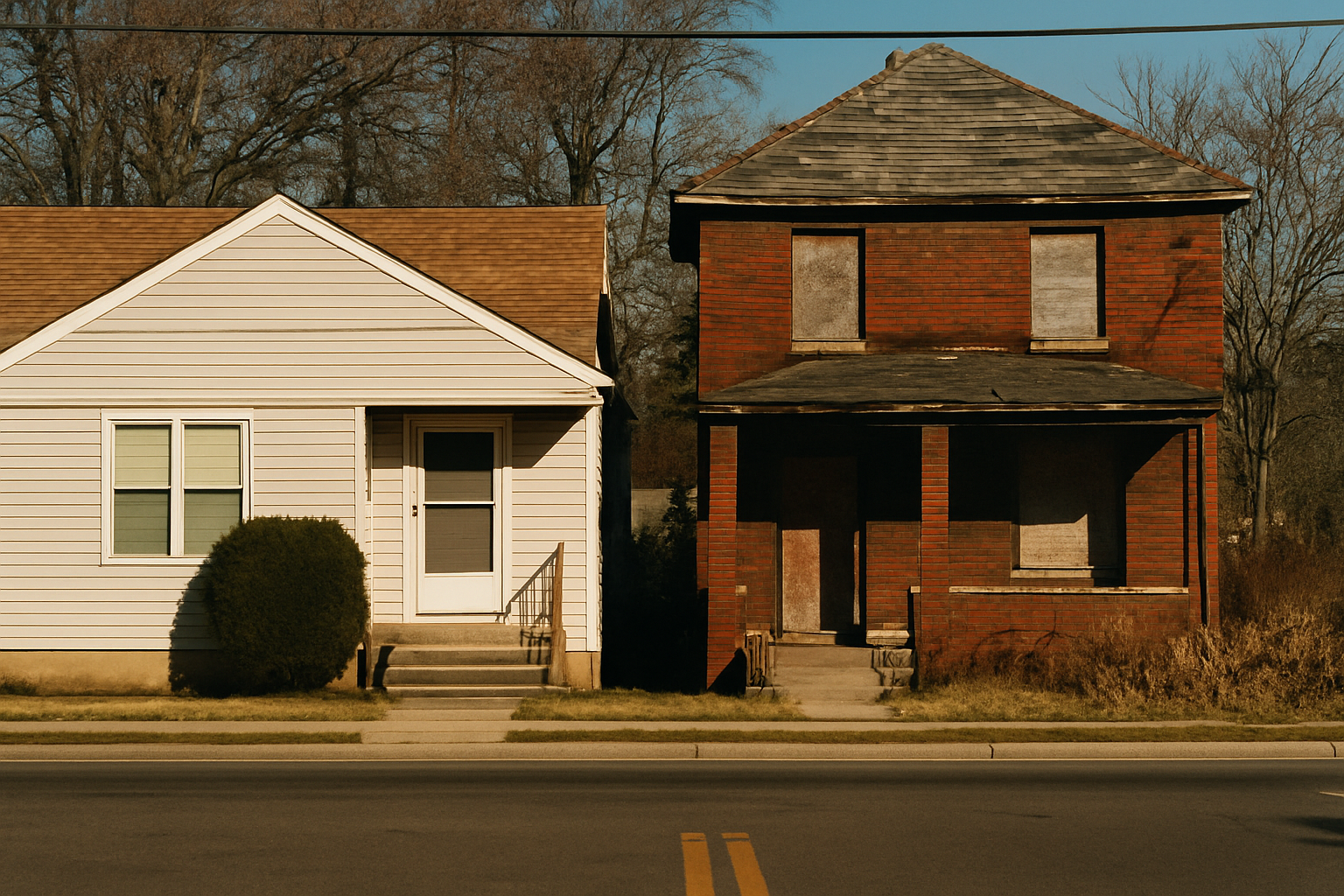
As remote work reshapes how and where people live, the classic urban versus suburban debate has taken on new dimensions. While the early days of remote work sparked a mass migration to the suburbs, the reality in 2024 is more nuanced.
Why Suburbs Are Winning for Many
Remote workers are seeking more than just affordability they want space and balance. The suburbs now offer:
More square footage for the money, ideal for home offices and remote schooling
Quieter, less dense environments for improved quality of life
Access to nature and outdoor living without giving up essential amenities
This makes suburban neighborhoods increasingly attractive for remote professionals, especially those looking to put down roots.
Urban Appeal Isn’t Dead Just Conditional
On the other hand, younger buyers and renters still value what cities provide culture, convenience, and social energy. The catch? They’re choosier than ever.
Cities need to offer walkability, green space, and affordable housing
Proximity to coworking spaces and lifestyle driven neighborhoods is key
Urban living is more appealing when it’s paired with flexible lease terms and inclusive community planning
Emerging: The Hybrid Neighborhood
Developers are catching on to the idea that today’s remote worker often wants a mix of both.
Enter hybrid “urban suburban” communities that feature:
Mixed use developments with retail, housing, and shared workspaces
Transit accessible locations with suburban calm yet urban perks
A focus on community design, not just home design
These blended communities are redefining what it means to ‘live close’ without being in the city center.
For more insight on urban suburban dynamics, check out this deep dive on shifting real estate preferences.
Commercial Real Estate Feels the Pressure
Downtown office towers aren’t as full as they used to be. Hybrid and remote work models have left large portions of commercial space sitting empty or evolving. Underutilized offices are being chopped up, repurposed into residential lofts, mixed use spaces, or community hubs. Landlords are adapting faster now, driven by market forces instead of waiting for normal to come back.
At the same time, coworking spaces aren’t dying they’re moving. Suburban towns once too quiet for flexible office setups are seeing a slow but steady rise in shared work environments. Nobody wants to commute two hours to sit in a cubicle, but they’ll drive ten minutes to a nearby coworking spot with solid Wi Fi and good coffee.
Then there’s the rise of “third spaces” casual, public friendly zones where you can log on and get things done. Think hotel lobbies, renovated libraries, even outdoor patios with power outlets. It’s not just about replacing the office anymore it’s about rethinking where work fits into everyday life. The spaces we work from are now as fluid as the jobs we do.
What Investors Should Watch
Remote work isn’t just changing where people live it’s also shaping how investors approach property decisions. As work life structures evolve, new patterns are emerging in what drives ROI and long term value.
Short Term Rental Demand in Remote Friendly Zones
The demand for short term rentals is seeing a spike in areas that attract digital nomads and remote professionals. With flexible leases and rising interest in “workcations,” properties in scenic, affordable, and well connected towns are attracting steady occupancy.
Increased interest in rentals near national parks, beaches, and mountain towns
Travelers are prioritizing Wi Fi, workspace amenities, and peaceful surroundings
Investors are targeting mid term stays (1 3 months) as a sweet spot
Long Term Value Tied to Digital Infrastructure
Fast, consistent internet has moved from luxury to necessity. Properties without strong connectivity are rapidly becoming obsolete in the remote work era.
Home values are rising in areas with robust tech infrastructure
Broadband quality is factoring into both residential and commercial investment decisions
Properties near tech hubs or data centers may see enhanced appreciation
Fiber Optic Internet is Now a Dealbreaker
For remote professionals, unreliable internet service is a non starter. Fiber optic internet has become a key feature buyers and renters are actively seeking.
Listings with fiber internet are outperforming similar ones without
Developers and landlords are investing in high speed access as part of upgrades
Municipalities with public private broadband partnerships are attracting more migration
Smart investors watching these infrastructure trends can stay ahead of demand and better position themselves for stable growth as remote work continues to shape real estate realities.
Final Takeaways
Remote work isn’t something the market is just waiting to end. It’s baked in now. Companies have stopped calling it an experiment. Workers have stopped asking for permission. This shift has reshaped real estate in real, lasting ways.
People no longer choose homes based solely on office location. Flexibility in work means people can prioritize lifestyle, family needs, and affordability. That opens up new areas to live and new opportunities to invest.
The smartest players in real estate aren’t treating this like a passing phase. Builders are adjusting site plans. Investors are evaluating markets by Wi Fi speed and Zoom room potential. Buyers are factoring in not just schools and commutes, but also home office setups and access to green space.
The rules have changed. The shift is permanent. Anyone betting on a full return to pre 2020 norms is already behind.