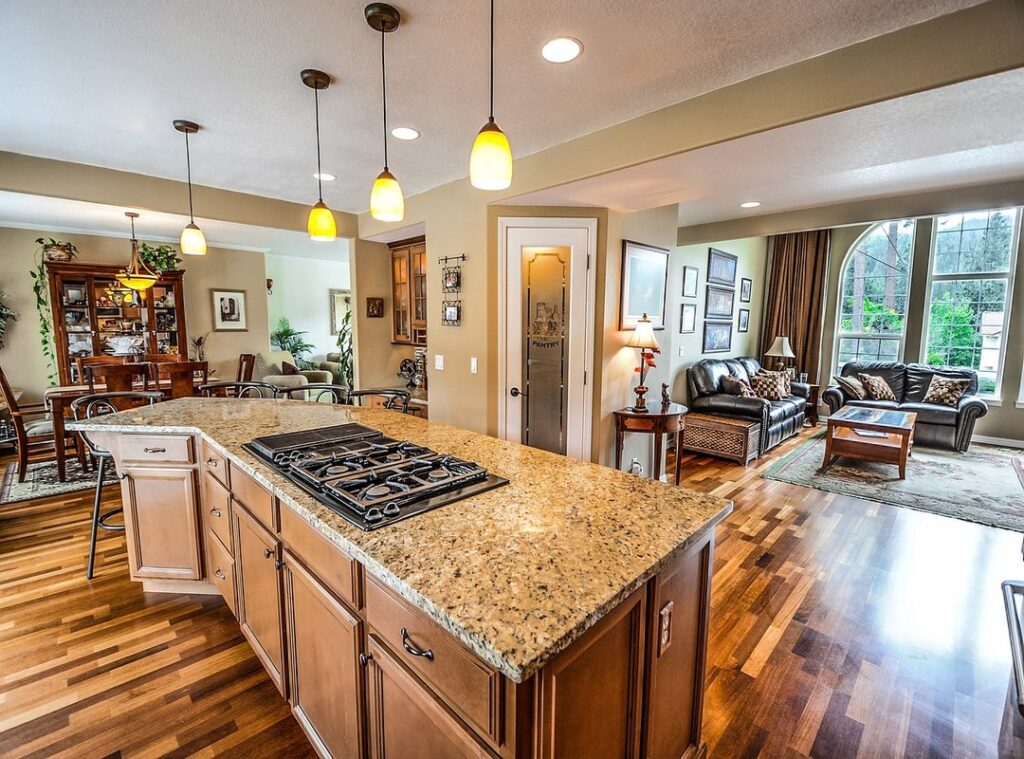
I’ve watched too many people spend months planning a kitchen. Only to hate it the first time they try to cook dinner.
Wasted time. Blown budgets. Pretty drawings that fall apart when real life hits.
You know that moment when you realize your dream island blocks the fridge? Or your fancy backsplash hides zero outlets for the toaster and coffee maker?
Yeah. That’s not design. That’s guessing.
I’ve designed kitchens in studios, ranch homes, historic row houses, and everything between. Not just once. Over and over.
With real clients. Real deadlines. Real messes.
This isn’t theory. It’s what works when you’re standing there holding a pot of boiling water and no counter space.
Tips for Designing a Kitchen Thtintdesign means function first. Flow that doesn’t break when two people cook. Safety that doesn’t get ignored.
Storage that actually fits your stuff.
No mood boards. No vague “make it cozy” advice.
Just clear, step-by-step moves (what) to do, what to skip, and why each choice matters in daily use.
I’ve fixed the same layout mistake twelve times this year alone.
You won’t need to fix it at all.
Start With Function: Map Your Workflow First
I don’t sketch cabinets before I map how you actually move.
You unload groceries. You chop onions. You burn toast (we’ve all been there).
You wipe counters while the pasta boils. You host friends and somehow still find the wine opener.
List every core activity (not) the ideal version, the real one. Unloading. Meal prep.
Cooking. Cleaning. Baking.
Entertaining. Assign real time. Not “10 minutes,” but “22 minutes because the dog gets underfoot and the toddler opens the spice cabinet.”
Then draw your work triangle. Sink, stove, fridge. But break it if you live in an open-plan home.
Or if two people cook at once. That triangle is outdated dogma, not a law.
Minimum 42″ clearance between counter and island. Why? So you can swing a pot lid without knocking over the salt cellar. 36″ for single-wall kitchens.
That’s the bare minimum to pivot without stepping backward into the dining chair.
Before you draw anything. Answer these five questions about your actual routines.
What’s the first thing you do when you walk in the door?
Where do you drop your keys right now?
How many times do you refill the kettle in one morning?
Who breaks the dishwasher? (Be honest.)
Do you eat standing up? Because that changes everything.
Thtintdesign covers this in more depth (especially) how habits override blueprints.
Tips for Designing a Kitchen Thtintdesign means starting with motion, not millwork.
You design for your body. Not Pinterest. Not contractors.
Not some magazine photo from 2012.
If your workflow feels tight, your layout is wrong.
Plan for Real Storage (Not) Just Cabinets
I measure storage in people (not) square feet.
You need 1.5 linear feet of base cabinet and 1 linear foot of wall cabinet per adult. Not per household. Per person.
I’ve watched couples double up on lazy Susans while leaving half their dishes in boxes because they planned for “two people” instead of “two adults who each own six coffee mugs and a cast-iron skillet.”
Deep drawers under the cooktop? Yes. Blind corner cabinets with cheap hinges?
No. (They’re just expensive black holes.)
The golden zone is real: 24 to 60 inches above the floor. That’s where your hands live most of the time. Put everyday plates, spices, oils.
And yes, your phone charger. There. Ergonomic research backs this.
(And if you’ve ever crouched for a pot lid or stood on a stool for cereal, you already know it’s true.)
Pull-out spice racks next to the stove beat wall-mounted ones every time. Vertical tray dividers in upper cabinets stop cutting boards from avalanching onto your head.
Oversized pantries without zones? They become junk drawers with doors. Ignore vertical space above the fridge?
You’re throwing away 18 inches of usable storage. (Yes, even if your ceiling is 10 feet tall.)
Skip the fancy hardware if it doesn’t open smoothly. Test it yourself before signing off.
And if you’re looking for Tips for Designing a Kitchen Thtintdesign, start here (not) with Pinterest mood boards.
Build storage like you’ll actually use it. Because you will.
Lighting Layers: Task, Ambient, Accent (No) Guesswork

I set lights wrong for three kitchens before I got it.
Task lighting is what keeps you from slicing your thumb. Not mood lighting. Not decoration. 450 (500) lumens per linear foot under cabinets.
Spaced no more than 24 inches apart. Anything wider and you get shadows where you chop onions.
Ambient is the base layer. The ceiling light that lets you walk in without tripping. For recessed cans?
Divide your ceiling height by 2. Nine-foot ceiling? Max 4.5 feet between fixtures.
That’s not a suggestion. It’s physics.
Accent is the cherry. A spotlight on your open shelf. A narrow beam on that tile backsplash.
It’s useless if task or ambient fails first.
Glare on countertops? That’s a hard stop. Overhead lights must aim away from the counter surface (not) down onto it.
Pendant over the sink? Only with a shielded bulb. Otherwise you’re staring into a headlight while washing lettuce.
You need at least two dimmer circuits. One for task. One for ambient.
Smart dimmers? Yes. If you want to adjust both from your phone later.
Tips for Designing a Kitchen Thtintdesign start here (not) with paint swatches.
Online furniture selection thtintdesign matters, but lights come first. Always.
Skip the dimmer setup? You’ll regret it at 7 p.m. on a Tuesday.
Install once. Get it right.
Countertops, Appliances, and the 5-Year Regret Test
I picked quartz for my kitchen. Not because it’s trendy. Because my kids drop smoothie jars on it weekly (and) it hasn’t chipped.
Quartz wins for high-traffic families. Butcher block? Great for bakers who want warmth and can sand out knife marks.
Granite? Only if you seal it every year. (Spoiler: most people don’t.)
Here’s what no one tells you about appliances: Tips for Designing a Kitchen Thtintdesign means measuring clearance before cabinets go in.
Refrigerators need 1 inch on each side and 2 inches behind. Range hoods need 3 inches of ventilation space above. No exceptions.
I watched a friend ignore this. Their hood hums like a jet engine now.
Hidden costs pile up fast. Custom cabinet finishes cost 40% more than stock. Integrated panels add $800 ($1,200) per appliance.
And induction cooktops? They often demand a 240V circuit upgrade. That’s $1,500. $2,500 extra.
Ask yourself: Would I replace this material or appliance within 5 years?
If yes (re-evaluate) now.
I replaced my dishwasher twice in six years. First time? Cheap model with plastic tubs.
Second time? Stainless steel interior. It’s lasted four years so far.
Don’t pick what looks good today. Pick what survives tomorrow.
Future-Proof Your Kitchen: Not Just Pretty, But Alive
I measure doorways at 36 inches minimum. Every time. Narrower and wheelchairs scrape.
Canes catch. You’ll regret it later.
Lever handles beat knobs. Cold metal under wet hands? No thanks.
Toe-kick lighting isn’t mood lighting. It’s safety. You see the floor at 2 a.m. without stubbing your toe.
Adjustable shelf standards let you reorganize as needs shift. Not next year. Now.
Yes. Glitter grout? No.
Soft-close drawers sell homes. Energy-fast appliances cut bills and impress buyers. Neutral backsplash tile?
Removable lower cabinet bases mean roll-under sinks later (no) demo needed. Reinforced walls for grab bars? Do it now.
Retrofitting is brutal.
Flexible island seating that flips to workspace? That’s how you live longer in one place.
Thtintdesign Interior Design gets this right every time. Their Tips for Designing a Kitchen Thtintdesign nails the balance between function and feel. I’ve walked through their builds.
They’re built to last, not just look good.
You want that kind of foresight. See how they do it.
Your Kitchen Starts Here
I’ve seen too many kitchens fail before the first cabinet arrives.
They look great on paper. Then reality hits. Awkward workflow.
Zero storage for real life. Lights that glare instead of guide. Materials that chip by month two.
That’s why I built Tips for Designing a Kitchen Thtintdesign around five non-negotiable anchors. Function-first planning. Storage math.
Not guesses. Lighting layers, not single bulbs. Material realism (what) it actually handles.
Future-readiness. Because your needs change.
You don’t need perfection. You need precision.
Download the one-page checklist now. Sketch it. Tape it to your fridge.
Use it before you meet your contractor or designer.
It stops costly mistakes before they start.
Most people wait until the demo day to realize their layout is broken. You won’t.
Your kitchen shouldn’t wait for perfection. It should start with precision.