Source: https://unsplash.com/photos/a-view-of-a-living-room-and-dining-room-from-above-aGsbN0F4Pd0
Your home should be more than just four walls and a roof. It’s where you unwind after a long day, share meals with family, and create memories that last a lifetime. But let’s be honest—sometimes our living spaces don’t quite match up with how we actually live. Maybe your kitchen feels outdated, or you’re running out of room as your family grows. The good news? You don’t need a complete overhaul to make meaningful changes. Strategic home improvements can transform how you experience your space every single day, boosting both comfort and property value. Let’s explore practical ways to upgrade your home without breaking the bank or losing your mind in the process.
Creating Welcoming Indoor Atmospheres
Source: https://unsplash.com/photos/a-living-room-with-a-large-window-KqClq7f8ofw
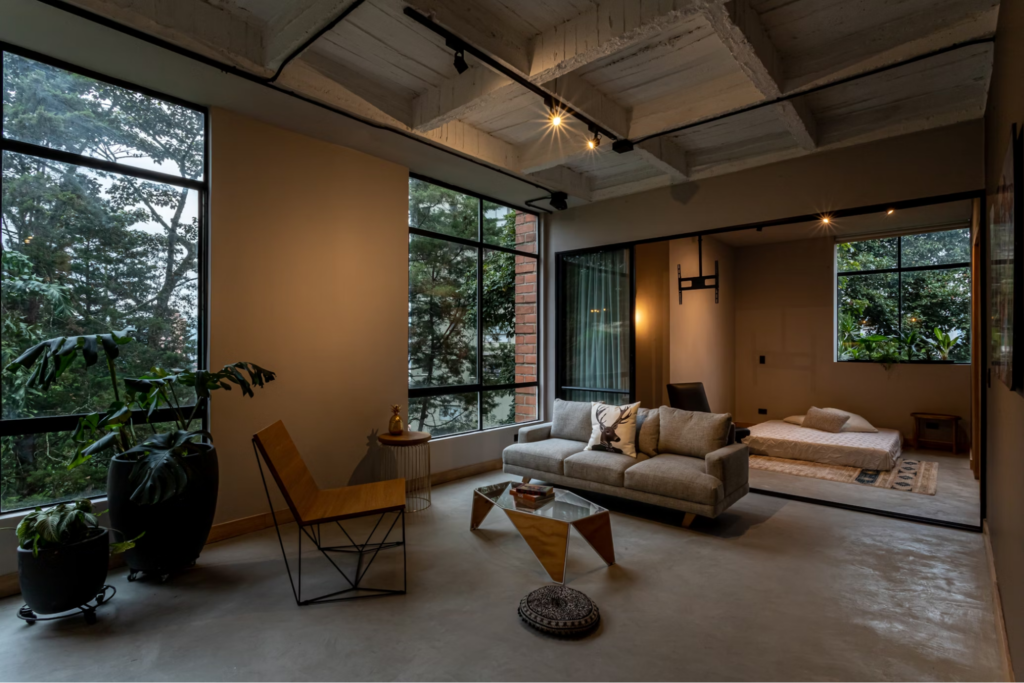
Have you ever walked into someone’s home and immediately felt at ease? That’s not by accident. The way a space looks, feels, and even smells plays a huge role in how comfortable we feel there.
The Psychology of Home Comfort
Think about it—your home environment affects your mood more than you realize. A cluttered, dark space can make you feel stressed before you even notice why. On the flip side, a well-thought-out room can help you relax the moment you step inside. It’s all about creating an environment that supports your lifestyle rather than works against it.
First impressions matter, even in your own home. When you walk through the door after work, does your space welcome you or add to your stress? Small changes to your entryway and main living areas can shift the entire energy of your home.
Sensory Elements That Make a Difference
Lighting is your best friend here. Swap harsh overhead lights for layered lighting options—table lamps, floor lamps, and dimmers give you control over the ambiance. Natural light is gold, so keep window treatments light and airy when possible.
Temperature matters too. Nobody enjoys a freezing bedroom in winter or a stuffy living room in summer. Invest in good insulation and climate control to maintain year-round comfort.
Don’t underestimate the power of scent. Whether you’re drawn to fresh florals, calming lavender, or warm vanilla notes, the right home fragrance singapore options can elevate your entire living experience. It’s a simple touch that makes every room feel more inviting and helps neutralize everyday odors from cooking or pets.
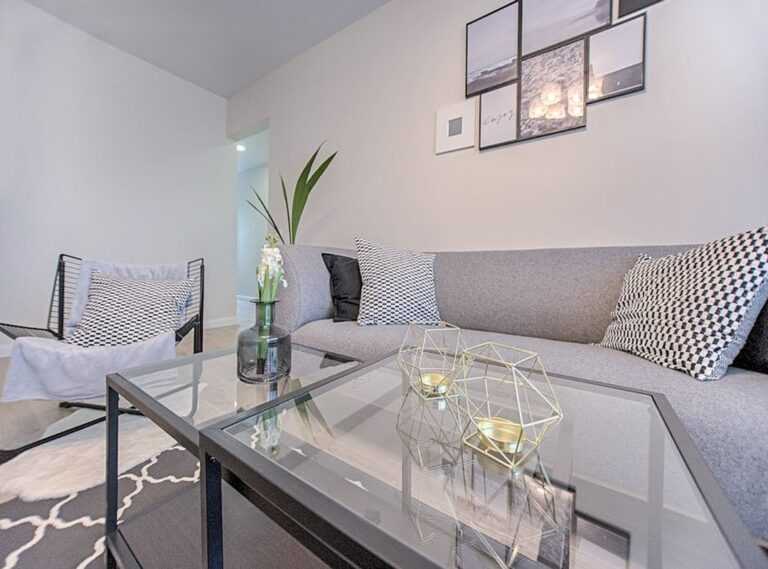
Texture adds another layer of comfort. Mix soft throws, plush rugs, and varied fabrics to create spaces that feel warm and lived-in rather than sterile showrooms.
Expanding Your Property Footprint

Here’s a challenge many homeowners face—you love your location and neighborhood, but you’re bursting at the seams. Before you start browsing real estate listings, consider that you might have more space than you think.
Why Homeowners Are Looking Beyond Main Structures
The pandemic changed how we use our homes. Suddenly, we needed home offices, workout spaces, and quiet zones for virtual schooling. Even as things normalize, those needs haven’t disappeared. Many of us still work from home at least part-time, and having dedicated spaces for different activities isn’t a luxury anymore—it’s a necessity.
Multi-generational living is also on the rise. Whether you’re caring for aging parents or adult children who’ve moved back home, everyone benefits from having their own space while staying close.
Versatile Outdoor Living Solutions
Your backyard isn’t just for barbecues anymore. Adding structures to your outdoor space can give you valuable square footage without the hassle of a major home addition. Modern backyard pods offer flexible solutions—whether you need a home office, guest suite, art studio, or teenager’s retreat. These self-contained spaces provide privacy and functionality while adding significant value to your property.
The beauty of outdoor structures is their versatility. Today’s home office could become tomorrow’s rental unit or hobby space. They’re also typically faster and less disruptive to install than traditional home extensions.
Before you get too excited, check your local planning regulations. Most areas have rules about setbacks, height restrictions, and permits. It’s worth doing your homework upfront to avoid headaches later.
The return on investment can be substantial. Adding functional square footage appeals to future buyers and addresses immediate needs, making it a win-win situation.
Modernizing Core Living Areas
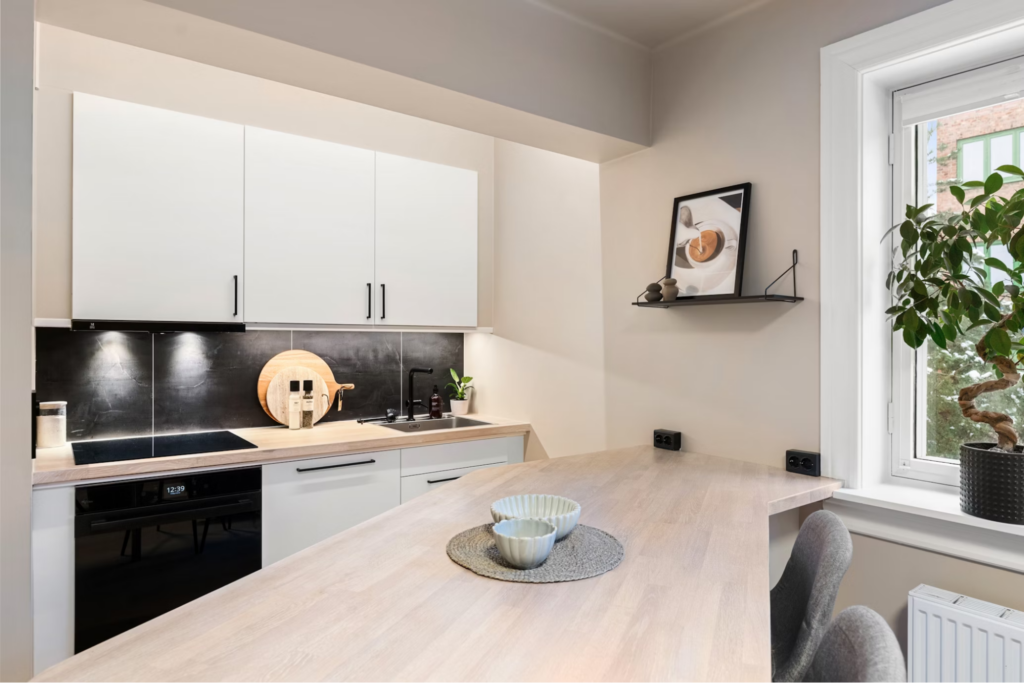
Source: https://unsplash.com/photos/a-kitchen-with-a-wooden-counter-top-next-to-a-window-DZyFNDAgPdI
Let’s talk about the spaces you use every single day. These are where smart improvements make the biggest impact on your daily life.
Kitchen as the Heart of the Home
There’s a reason real estate agents obsess over kitchens. It’s where life happens—morning coffee, homework sessions, dinner prep, and late-night snack raids. A well-designed kitchen doesn’t just look good; it makes cooking and gathering genuinely enjoyable.
You don’t need a complete gut renovation to transform your kitchen. Strategic updates can deliver impressive results without the six-month timeline and massive price tag of a full remodel.
Material Choices That Last
When you’re investing in your kitchen, think long-term. Trends come and go, but quality materials stand the test of time. Focus on surfaces that can handle daily wear and tear while still looking fresh years down the line.
Durability meets style in modern surface options. Consider materials that resist stains, heat, and scratches while offering the aesthetic you want. A porcelain splashback kitchen installation, for instance, provides a sleek, low-maintenance surface that protects your walls and adds visual interest. These surfaces are incredibly practical for busy households—they wipe clean easily and don’t harbor bacteria the way some materials can.
Other cost-effective upgrades include updating cabinet hardware, replacing outdated faucets, and improving lighting. Sometimes a fresh coat of paint on cabinets can give you that “new kitchen” feeling for a fraction of the renovation cost.
Think about workflow too. Can you move easily between your sink, stove, and refrigerator? Small layout tweaks can make daily tasks much more efficient.
Technology Integration Without Overwhelming Your Space
Smart home technology sounds intimidating, but it doesn’t have to be. The key is starting simple and adding features that actually improve your life.
Smart But Simple
Energy-efficient appliances save money month after month. Modern washers, dryers, and dishwashers use significantly less water and electricity than models from even ten years ago. The upfront cost pays for itself over time.
Programmable thermostats are game-changers. Set them once, and your home maintains comfortable temperatures without constantly adjusting the dial. Some models learn your schedule and adjust automatically.
Security doesn’t mean installing a complicated system with a steep learning curve. Video doorbells and smart locks offer peace of mind with user-friendly interfaces.
Future-Proofing Your Home
Technology evolves fast. When planning improvements, think about infrastructure. Adequate electrical outlets, strong Wi-Fi coverage, and versatile wiring make future upgrades easier. You don’t need everything now, but leaving room for growth saves hassle later.
Balance is important. Not every surface needs a screen, and not every light needs an app. Mix smart technology with timeless design elements for a home that feels current without quickly dating itself.
Budget-Friendly Improvement Strategies
Let’s get real about money. Home improvements can get expensive fast if you’re not careful. The trick is prioritizing what matters most to you right now.
Start by assessing how you actually use your space. Do you cook every day but rarely use your formal dining room? Maybe kitchen upgrades take priority. Work from home full-time? That outdoor office space might be worth the investment.
Some projects are perfect for DIY if you’re handy—painting, installing shelving, or updating light fixtures. Others, like electrical work or structural changes, are worth hiring professionals. Know your limits and don’t create bigger problems trying to save money.
Consider phasing major projects. You don’t have to do everything at once. Tackle one room or area at a time, allowing your budget to recover between projects.
Conclusion
Improving your home doesn’t require winning the lottery or enduring months of construction chaos. Focus on changes that align with how you live, and you’ll create a space that truly works for you. Whether it’s enhancing your kitchen, adding functional outdoor space, or simply making your rooms more inviting, each thoughtful improvement compounds over time. Your home should evolve with your needs, supporting your lifestyle rather than constraining it. Start with one project that excites you, and watch how it transforms not just your space, but your daily experience of home.
FAQs
What home improvements add the most value? Kitchen and bathroom updates typically offer the best return, followed by functional space additions like extra rooms or outdoor structures. Focus on improvements that appeal to your lifestyle first—increased enjoyment now plus value later is the sweet spot.
How do I prioritize home improvement projects? Start with issues affecting daily comfort or safety—leaky roofs or outdated electrical systems can’t wait. Then tackle projects that address how your family actually lives. Make a list, estimate costs, and work through priorities as your budget allows.
Can small changes really make a difference? Absolutely. Fresh paint, updated lighting, new hardware, and better organization can transform a space without major construction. Small changes accumulate into significant improvements over time, especially when they address specific pain points in your daily routine.
What should I consider before starting renovations? Set a realistic budget with a 10-20% buffer for unexpected costs. Research contractors thoroughly, get multiple quotes, and check references. Consider how renovations will disrupt your daily life and plan accordingly. Always verify permit requirements before starting work.