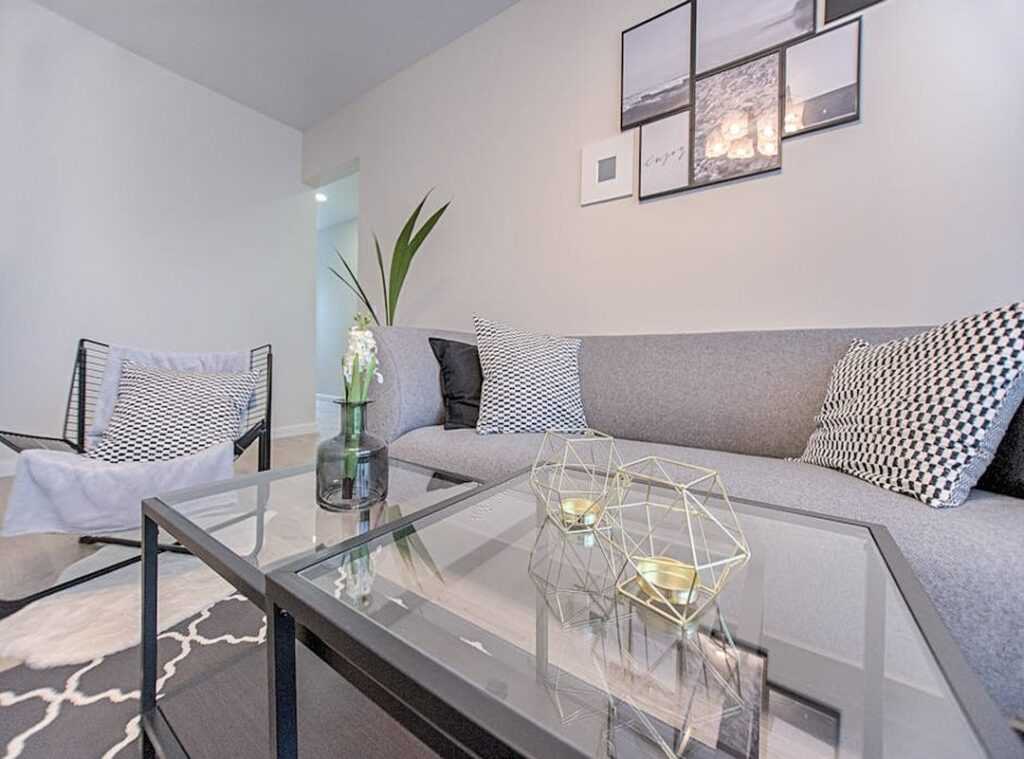
You walk into your living room and feel… nothing.
Or worse (you) feel tired. Like the space is dragging you down.
It’s not ugly. It’s not broken. It’s just unresolved.
A couch from 2017. A rug you’ve kept because it’s “fine.” Art that doesn’t say anything. You keep waiting for inspiration to strike.
It never does.
I’m done with decor advice that assumes you have a budget, time, or permission to rip things out.
This isn’t about mood boards or aspirational Pinterest pins.
Every idea here has been tested. In studios with no drilling allowed. In open-concept homes where the dining area bleeds into the sofa zone.
In rentals where you can’t paint or nail anything in.
I’ve tried them. Tweaked them. Ditched the ones that looked good on paper but failed in real light, real clutter, real life.
Living Room Decoration Mipimprov means making small shifts that add up. Fast.
You’ll leave knowing exactly what to move first. What to swap. What to skip entirely.
No fluff. No fantasy. Just what works.
Start With What You Already Own: The Mipimprov Mindset
I call it Mipimprov. Mix + improvise. Not starting over.
Not buying new everything. Using what’s already in your space as the foundation (not) the problem.
You’ve got furniture. Right now. Sitting there.
Some of it works. Some doesn’t. But most of it can.
Try the color harmony test first. Hold a white sheet next to your sofa. Does the fabric look tired or alive?
If it holds up, keep it.
Then do a scale audit. Stand across the room. Does the piece dominate (or) disappear?
Big sectional swallowing your 10×12 living room? That’s not scale. That’s surrender.
Function upgrade potential matters most. Can you swap legs? Yes.
Most sofas use 5/16″ hex screws. Reupholster one cushion in linen. Add two throws.
One chunky wool, one thin cotton. Leave breathing room around the edges. Negative space isn’t empty.
It’s intentional.
Imagine your current sectional with new linen pillows, a vintage rug layered under the front third, and wall-mounted sconces replacing floor lamps.
I’ve done this twice. Once with a 1998 IKEA Ektorp. Still going strong.
Don’t pile on knick-knacks. Don’t block the walkway to the kitchen. And don’t grab that neon pink vase just because it’s “on trend.”
That’s why I built Mipimprov. A real method, not a mood board.
Living Room Decoration Mipimprov isn’t about style. It’s about seeing what you own like a designer does. Not what it is.
Lighting That Transforms Mood. Not Just Space
I swapped out one bulb and my whole living room felt different. Not prettier. Different. Lighting is the fastest decor upgrade you’ll ever do.
It changes how you see color. Texture. Even room size.
All in under an hour. No painting. No hauling furniture.
I use four layers (no) more, no less.
Ambient comes first: a dimmable ceiling fixture (like the Luma360). Task lighting? A swing-arm wall lamp beside the sofa (I) use the Artemide Tolomeo.
Accent: LED strips behind floating shelves (Philips Hue Lightstrips). Decorative: a sculptural floor lamp with a warm 2700K bulb (the Anglepoise Type 75).
Sconces go 60 (66) inches from the floor. Space them 6 (8) feet apart on a feature wall. Yes, I measured.
Yes, it mattered.
Renter? Adhesive LED puck lights stick anywhere. Cordless table lamps with rechargeable batteries last three weeks on a charge.
Budget hack: retrofit old lamps with smart bulbs + a $25 dimmer switch. Total cost: under $40. Works.
Looks intentional. No electrician.
This isn’t just Living Room Decoration Mipimprov. It’s control. You’re not decorating space.
You’re tuning mood.
Walls That Tell Your Story (Without) Framing Fatigue
Blank walls aren’t failures. They’re pauses. Breathing room.
And honestly? Most people overcommit to wall decor and hate it in six months.
I stopped covering every inch years ago. Now I use removable wallpaper panels. Just one accent strip behind the sofa, not a full wall.
Less risk. More control.
Textile hangings on tension rods? Yes. They add warmth fast.
No nails. No regrets.
Shelves as vertical art? Absolutely. Stack books, tuck in one ceramic piece, hang a small mirror low.
Done.
Here’s my 5-item wall edit checklist: contrast ratio, visual weight balance, personal resonance, material texture variety, sightline alignment with seating.
That last one matters most. Sit where you’ll sit. Look up.
Does your eye land where you want it?
Gallery spacing? Keep frames 2. 3 inches apart. Hang the center at 57. 60 inches from the floor.
Anchor asymmetrical layouts with one large piece. No exceptions.
Try an oversized vintage map. Or a framed fabric swatch collage. Or a black-and-white photo triptych with matching matte finishes.
Pro tip: take a photo of your wall setup on your phone, zoom out to 50%, and delete any element that disappears visually.
You’ll be shocked how much clutter vanishes.
For more grounded ideas, check out this page.
Living Room Decoration Mipimprov isn’t about filling space. It’s about choosing what stays.
Rugs, Textiles, and Texture (The) Invisible Glue
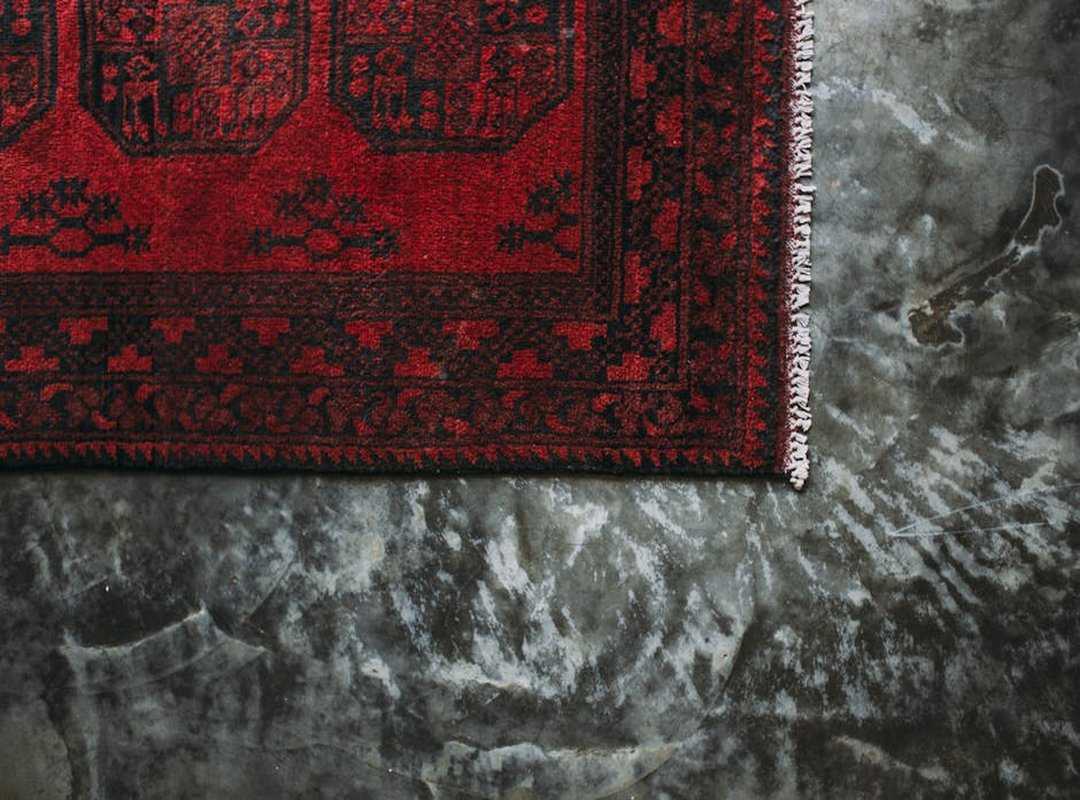
I don’t care how cool your sofa is. If the rug’s too small, the whole room looks off.
A jute rug under mid-century legs? It grounds them. Velvet pillows on raw steel chairs?
They soften the blow. A nubby wool throw on a white slab sofa? That’s warmth you feel, not just see.
Rug sizing isn’t optional. In seating areas: all front legs must sit on the rug. No exceptions.
Open-concept rooms? Align rug edges with sofa depth. Not width.
I’ve measured this in 12 apartments. Depth works every time.
Four swaps that take under 10 minutes:
Washed linen pillow covers (not cotton)
Chunky knit blanket draped over a chair arm
Sheer curtain layered over blackout lining
Cordless Roman shades in natural fiber weave
Wool rugs? Blot stains immediately with cold water and mild soap. No rubbing.
Linen pillows? Wash cold, tumble dry low, then stretch while damp. Rotate throws and pillows seasonally.
It doubles their life. Pro tip: flip your rug twice a year.
Texture hierarchy matters. One rough (burlap), one smooth (silk-blend), one soft (mohair) per zone. Any more and it’s noise.
Any less and it’s flat.
This is where Living Room Decoration Mipimprov starts (not) with paint or furniture, but with what you touch first.
Smart Storage That Hides Clutter (And) Adds Style
I stopped calling it “storage” and started calling it “furniture that works double time.”
Ottomans with lift-top compartments. Coffee tables with sliding drawers. Built-in shelving with cabinets hidden below the shelves.
These aren’t just hiding spots. They’re design decisions.
Your ottoman height must match your sofa seat height ±1 inch. No exceptions. If it’s off, your legs won’t rest right and the whole room feels wrong.
(Yes, I measured mine. Twice.)
Drawer depth? At least 6 inches deep. Enough for remotes, chargers, and a folded throw blanket (no) jamming, no forcing.
Rental-friendly hack: deep lidded baskets inside open shelving. Label them discreetly on the underside. Top them with books and one small plant.
Done.
Walkways need 36 inches minimum. I’ve squeezed through narrower paths. It sucks.
Don’t do it.
Seating comfort beats storage every time. Always.
If you can’t close the lid or slide the drawer smoothly, the item doesn’t belong there.
That’s the real test.
For more ideas on balancing function and form in tight spaces, check out the Living Room Decoration Mipimprov guide.
Your Living Room Is Already Yours
I’ve shown you how to refresh it (no) renovation, no big spend, no design degree.
You don’t need permission. You don’t need perfection. You just need to start.
Living Room Decoration Mipimprov works because it starts with what you own. Not what you wish you had.
Lighting changes mood. Rugs anchor space. Walls tell your story.
If you let them.
Which one feels most urgent right now? The dim corner? The bare floor?
The blank wall screaming for attention?
Pick one. Lighting, rugs, or wall styling. Just two tips.
This weekend.
Most people wait for “someday.” Someday never shows up.
Your living room isn’t waiting for perfection. It’s ready for your next small, confident choice.
Go fix that one thing today.