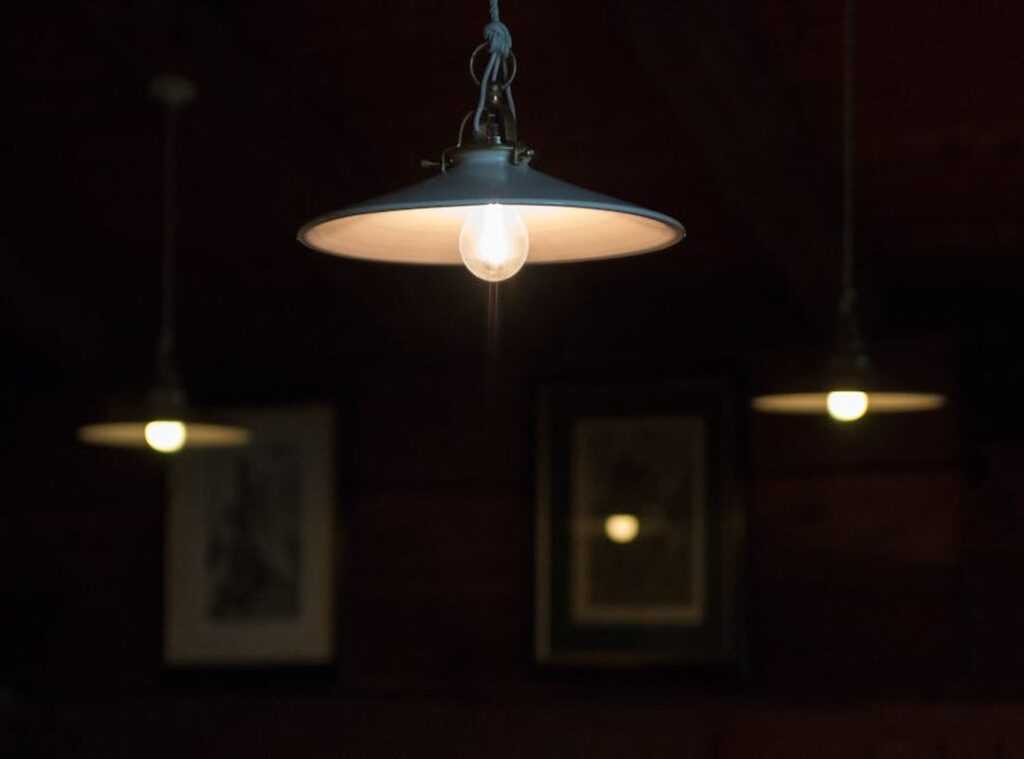
That room feels wrong.
You’ve moved the sofa three times. Swapped out the throw pillows. Even repainted the wall.
Still looks dull. Still feels gloomy. Still doesn’t work.
I’ve fixed this exact problem in over two hundred homes.
Not with fancy gear or design school credentials. Just real-world testing and what actually changes how a space feels.
Lighting Interior Mipimprov isn’t about buying more lamps.
It’s about placing light where your eyes land first. Where tasks happen. Where you pause to breathe.
Most people think lighting is decoration. It’s not. It’s architecture for your mood.
I’ll show you the three placements that matter. And why one wrong bulb kills the whole effect.
No theory. No jargon. Just steps you do tonight.
You’ll see the difference before you finish reading.
The 3-Layer Rule: Ambient, Task, Accent
I learned this the hard way (by) staring at a living room that felt flat, cold, and vaguely hostile.
Lighting isn’t about slapping in a bulb and calling it done. It’s about stacking light like you’d layer clothes in winter. One layer alone won’t cut it.
That’s why I built my whole approach around the three layers. Not two. Not four.
Three. And if you skip one, the room feels off. Even if you can’t say why.
Ambient lighting is your base layer. Think of it like daylight streaming through a big window on a clear morning. It’s not dramatic.
It’s just there. Ceiling fixtures. Recessed cans.
A simple chandelier over a dining table. If ambient light is too weak, everything looks dim and tired. Too strong, and it flattens texture.
Like washing a painting with bleach.
Task lighting is what keeps your eyes from screaming. You’re reading? Cooking?
Paying bills? That’s when you need focused light exactly where you need it. A desk lamp with a warm bulb.
Under-cabinet LEDs that actually hit the cutting board. A swing-arm lamp beside your favorite chair.
Accent lighting is where personality kicks in. This is the light that says look here. A narrow beam hitting a framed photo.
Track heads aimed at brickwork above a fireplace. An uplight tucked behind a fiddle-leaf fig.
I used Mipimprov to test this rule across ten different homes. Every time we added all three layers, people paused at the doorway. Then said the same thing: “It feels lived-in now.”
You don’t need fancy gear. You need intention.
Too many rooms run on ambient only. They look like hotel lobbies (clean,) empty, forgettable.
Add task light, and function appears.
Add accent light, and soul appears.
Lighting Interior Mipimprov starts here (not) with bulbs, but with layers.
Don’t guess. Stack.
Bulbs, Brightness, and Why Your Lamp Feels Off
I used to think “warm white” meant “yellowish.” Turns out it’s about how yellowish (and) it’s measured in Kelvins.
Kelvin isn’t a temperature you feel. It’s the color of the light itself. Lower number = warmer (think sunset).
Higher number = cooler (think noon sky).
Warm White (2700K (3000K)) is what you want in bedrooms and living rooms. It relaxes your eyes. Not sleepy (just) calm.
Cool White (3500K. 4100K) works in kitchens and bathrooms. It’s sharp enough to see what you’re doing, but not harsh.
Daylight (5000K+) belongs in garages or craft areas. You need that clarity when sanding wood or checking tire tread.
LEDs last longer and use less power than old incandescents. That part’s true. But don’t assume all LEDs are equal.
Some flicker. Some dim poorly. Some die in 18 months.
Always check the Lumens. Not the Watts. When buying bulbs.
A living room needs 10. 20 lumens per square foot. A kitchen counter? More like 40. 50.
Watts tell you energy use. Lumens tell you actual brightness.
Pendant lights over an island? That’s task lighting. Floor lamp in a corner?
Ambient. Recessed cans in the ceiling? Often general (unless) aimed right.
You’re building three layers: ambient, task, accent. Skip one, and the space feels flat. Or worse (clinical.)
Comfort tips mipimprov covers how layering affects mood and focus. It’s not fluff (it’s) physics meeting psychology.
I’ve replaced bulbs based on Watts alone. Wasted money. Felt guilty every time I squinted at a recipe.
Fixtures matter more than you think. A wide shade diffuses light. A narrow one throws it hard and focused.
And yes (this) is Lighting Interior Mipimprov territory. Not decoration. Function first.
Buy the bulb for the job (not) the box it came in.
Test one before committing to twelve.
Your eyes will thank you.
5 Lighting Upgrades That Actually Work
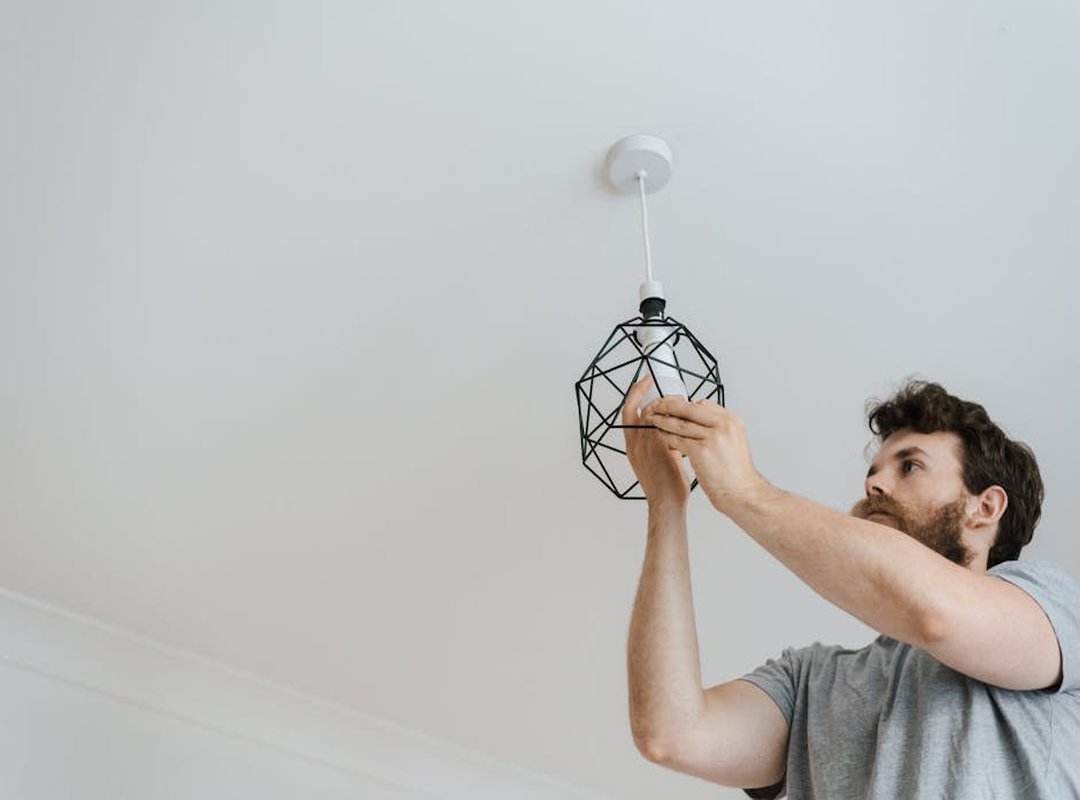
I swapped a dimmer switch last Saturday. Took twelve minutes. My dining room stopped feeling like a dentist’s waiting room.
Dimmer switches are the easiest mood control you’ll ever install. They work with almost every modern LED bulb. No rewiring.
Just swap the switch.
You don’t need an electrician. You do need to turn off the breaker. (Yes, I forgot once.
Felt the zap. Learned.)
Dark corners kill a room’s energy. A single floor lamp in the back corner of your living room changes everything.
Try an arc lamp. Or a slim torchier that throws light up and out. Not down.
You want bounce (not) spotlight-on-your-couch.
Your kitchen is dangerous without proper task lighting. I cut my thumb open trying to slice tomatoes under that sad fluorescent bar.
Plug-in LED under-cabinet strips fix it. No drilling. No wiring.
Stick-and-go. Brighter counters. Safer chopping.
Less squinting at recipe apps.
Swap one fixture. Just one. The entryway.
The dining table. The one that makes you cringe when guests walk in.
Don’t overthink the style. Pick something clean. Matte black.
Brass. Even white. It’s not about trends.
It’s about stopping the visual noise.
Mirrors bounce light. Duh. But most people hang them wrong.
Put a large mirror opposite a window. Not beside it. Or across from a floor lamp.
Watch how fast the room opens up.
It’s not magic. It’s physics. And it costs less than a takeout dinner.
Lighting Interior Mipimprov isn’t about buying more. It’s about redirecting, softening, and sharpening what you already have.
I replaced my sofa last year. Spent three hours vacuuming crumbs out of the crevices before realizing I should’ve read Cleaning Sofa Advice first.
You’ll thank yourself later.
Do one thing this weekend. Just one.
Then do another next weekend.
That’s how rooms stop looking tired.
Light Up Your Home With Confidence
I’ve been there. Staring at a room that feels flat. Cold.
Lifeless.
That dull, uninspired lighting isn’t just annoying. It drains your energy. Makes you tired before dinner.
The fix isn’t expensive. It’s not complicated. It’s Lighting Interior Mipimprov: ambient, task, accent.
Layered. Intentional.
You don’t need to redo every fixture tonight. Start small. One room.
One change.
A task lamp on the desk. A dimmer in the living room. A single accent light behind the bookshelf.
That’s enough to shift the whole mood.
You’ll feel it immediately. Less strain. More calm.
More you in your own space.
What’s one room where bad lighting bugs you most?
Go fix it this week. Pick one tip. Try it.
See how fast it changes things.
Your home deserves better light. You deserve to feel good in it.
Do it now.