You’ve stared at that patch of dirt for weeks.
Wondering if it’s even possible to grow anything edible there.
I know. Because I’ve watched people rip out their first tomato plants after two weeks of wilting. Or water basil until it drowned.
Or plant in March and wonder why nothing sprouted until July.
This isn’t theory. I’ve helped real people. With zero experience.
Turn bare soil into gardens that feed families. Not once. Not ten times.
Hundreds.
Most guides talk about zones and pH tests and compost ratios like it’s a science exam. It’s not. It’s dirt, seeds, and showing up.
That’s why this How to Set up My Garden Homemendous works. It skips the jargon. Goes straight to what actually matters: soil prep that sticks, plants that survive, timing that fits your calendar, and watering that doesn’t guess.
You’ll learn how to spot trouble before it kills your seedlings. How to pick three plants that won’t ghost you. And why “just add water” is terrible advice.
No fluff. No fantasy yields. Just steps that work (because) they’ve already worked for people just like you.
Your Garden Space: Sun, Soil, and What Not to Screw Up
I check sun exposure first. Always. Not with guesses.
Not with “it feels sunny.”
Grab your phone and download Sun Surveyor (free version works). Or just mark where shadows fall at 10 a.m. and 3 p.m. for two days. You need 6 hours of direct light.
Not filtered. Not dappled. Direct.
If you’re short, don’t plant tomatoes. Plant lettuce. Or move the bed.
Soil drainage? Dig a 12-inch hole. Fill it with water.
Wait 4 hours. If water’s still sitting there. That’s trouble.
Clay holds water. Roots drown. You’ll get rot.
Not harvest.
Skip the tiller. Seriously. Tilling shreds soil life and compacts the layer below.
Beginners think it helps. It doesn’t.
Use cardboard. Then 3 inches of finished compost. Then 2 inches of shredded leaves or straw.
Top it with 1 inch of mulch. That’s the stack. No mixing.
No turning. Just layer and wait. Worms do the work.
Fungi rebuild structure. You just show up to plant.
Don’t buy “garden soil” in bags. It’s usually filler + peat + wishful thinking. Don’t skip a basic soil test either.
A $15 kit from your extension office tells you what’s missing (not) what influencers say you need.
And if your yard is solid clay? Don’t plant into it. Ever.
Start with the layer method on top of it. Let roots punch down over time.
Plants That Won’t Ghost You
I’ve killed more basil than I care to admit. (Mostly because I treated it like a cactus.)
I covered this topic over in Homemendous.
You’re not lazy. You’re just tired of plants that demand attention and then die anyway.
So here’s what actually works (no) fluff, no guilt.
Foolproof vegetables: cherry tomatoes, bush beans, zucchini.
They grow even if you forget to water for three days. (Yes, really.)
Easy herbs: basil and chives. Basil thrives on neglect (just) don’t drown it. Chives?
They survive on sidewalk cracks.
Pollinator-friendly flower: cosmos. Bees love them. Deer ignore them.
You barely have to think about them.
Don’t just look up your USDA Hardiness Zone. That number means almost nothing without your local frost dates. Check the free NOAA frost date tool (it’s) accurate and hyperlocal.
Seeds vs. transplants? Here’s the truth:
Start tomatoes indoors 8. 10 weeks before your last frost. But buy peppers, eggplant, and most herbs as transplants.
Trying to grow peppers from seed indoors is like trying to fold a fitted sheet. Possible, but why?
If you forget to water more than twice a week?
Choose Swiss chard or okra instead of lettuce.
Native plants aren’t just pretty weeds. Nasturtiums are edible and native in many areas. So are purslane and amaranth.
They feed you and the bees.
How to Set up My Garden Homemendous starts with picking plants that match your life. Not some idealized version of it.
Timing, Spacing, and Planting Techniques That Actually Work
I plant by the soil thermometer. Not the calendar. If it’s not 60°F, tomatoes sit.
Night temps under 50°F? Peppers stay indoors. Cold crops like peas and spinach go in early spring and again in late summer.
Not “whenever.” Not “maybe.”
Carrots: 2 inches apart. Rows 12 inches apart. Tomatoes: 24. 36 inches.
Not closer. I’ve tried. They rot.
Lettuce: 8 inches. You’ll thank me when they’re not leggy and bitter.
Seeds go 2x their width deep. That’s the finger test. A pea is ¼ inch wide → plant ½ inch down.
A carrot seed? Barely dust it.
Transplants get buried slightly deeper than their pot. Except tomatoes. Bury them up to the first true leaves.
Yes, really. They grow roots from that stem.
Hardening off? Day 1: 1 hour shade at 60°F. Day 7: full sun all day.
No shortcuts. I once rushed it. Got sunburned basil.
It cried. (Okay, it wilted.)
Mark every planting date. In a notebook. On your phone.
Somewhere real. 90% of failed starts trace back to missed timing.
If you’re figuring out How to Set up My Garden Homemendous, don’t skip this step. Just like you wouldn’t skip How to Decorate before picking paint swatches.
Soil temp matters more than wishful thinking.
Watering, Weeding, and Feeding. No Bullshit Edition
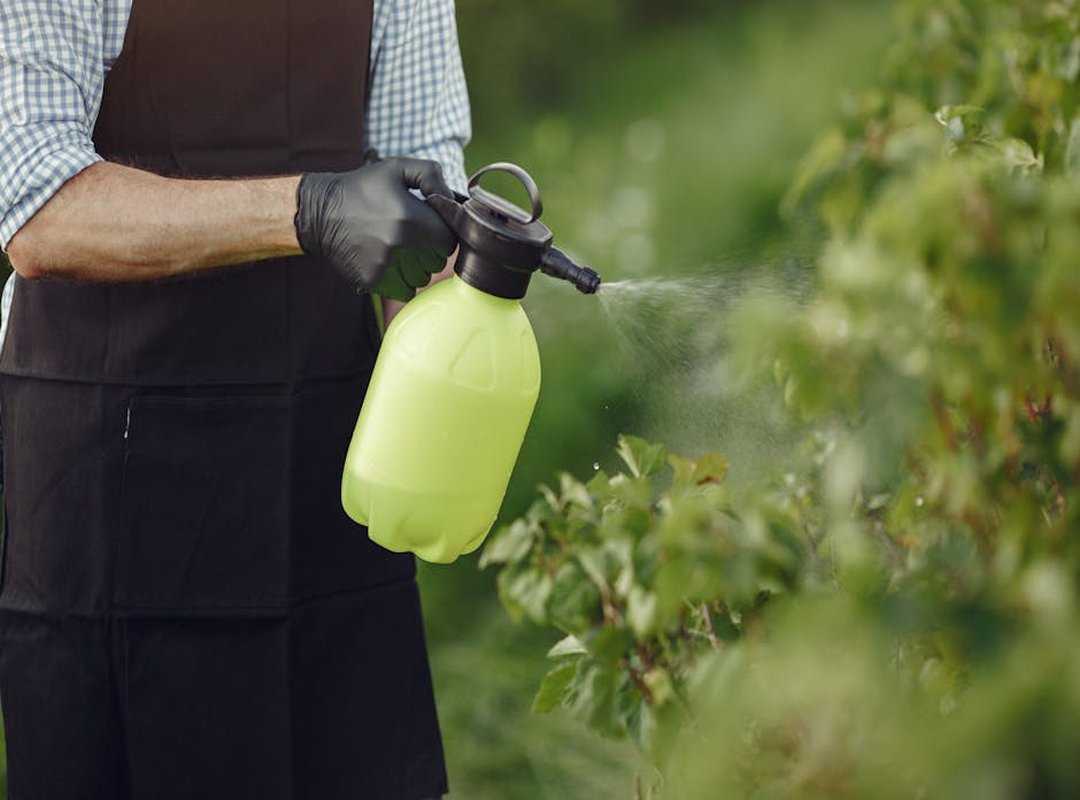
I push my finger into the soil. Past the first knuckle. If it’s dry there, I water.
If it’s damp, I walk away. That’s the knuckle test. It works.
Everything else is noise.
Sprinklers? They’re for lawns. Not vegetables.
They wet the leaves, invite blight, and waste half the water to evaporation. Drip irrigation or soaker hoses hit the roots where it counts.
Mulch first. Not after. Not when you remember.
Before weeds even think about poking up, lay down 3 inches of straw or shredded bark. It cuts weeding by 70%. I timed it.
Twice.
Feeding isn’t magic. Leafy greens get compost tea every two weeks. Fruiting plants get fish emulsion (5-5-5) every three weeks.
That’s it. No guessing.
I wrote more about this in this guide.
And stop dumping nitrogen on tomatoes in May. You’ll get a jungle. No fruit.
Phosphorus and potassium matter more once flowering starts.
How to Set up My Garden Homemendous? Start here. Not with apps.
Not with gadgets. With your finger in the dirt.
You’re overthinking it. I was too. Then I stopped.
Beginner Garden Problems: Fix Them Before They Spread
Yellowing lower leaves? That’s your plant screaming I’m drowning. I’ve killed more plants with kindness than neglect.
Check your pot’s drainage holes. Right now.
Spindly seedlings mean light starvation. Move them to a south window. Or buy a $20 LED grow light and hang it six inches above.
Holes in leaves? Slugs love beer. Flea beetles hate row covers.
Caterpillars get hand-picked (yes, really). No sprays needed.
Blossom end rot isn’t about calcium in the soil. It’s about calcium moving. And that stops when watering is erratic.
Mulch. Water consistently. Skip the calcium spray (it’s) theater.
Leggy transplants? Pinch the top growth. Then plant tomatoes deeper (bury the stem).
Other seedlings need three days of outdoor hardening first.
If leaves yellow and feel soggy → drain the pot today. If stems stretch and lean → add light tonight. If fruit blackens at the bottom → mulch tomorrow.
This isn’t guesswork. It’s pattern recognition.
You don’t need perfection to start. You need speed and observation.
For a no-fluff guide on scaling up without chaos, check out how to Upgrade My Garden Homemendous.
Start Digging. Your Garden Begins Today
I’m not here to sell you perfection. I’m here because you’re tired of staring at dirt and doing nothing.
This How to Set up My Garden Homemendous guide isn’t about waiting for spring. Or for more time. Or for confidence you don’t have yet.
You already know what to do today. Just step outside. Watch where the sun hits.
See where water pools (or) vanishes.
That’s it. That’s your first win.
Now pick one plant from the foolproof list. Buy seeds or a transplant this week. Stick to the 7-day hardening-off schedule.
Most people stall right here. You won’t.
Your garden isn’t waiting for perfect conditions. It’s waiting for your first handful of soil.
Go dig.