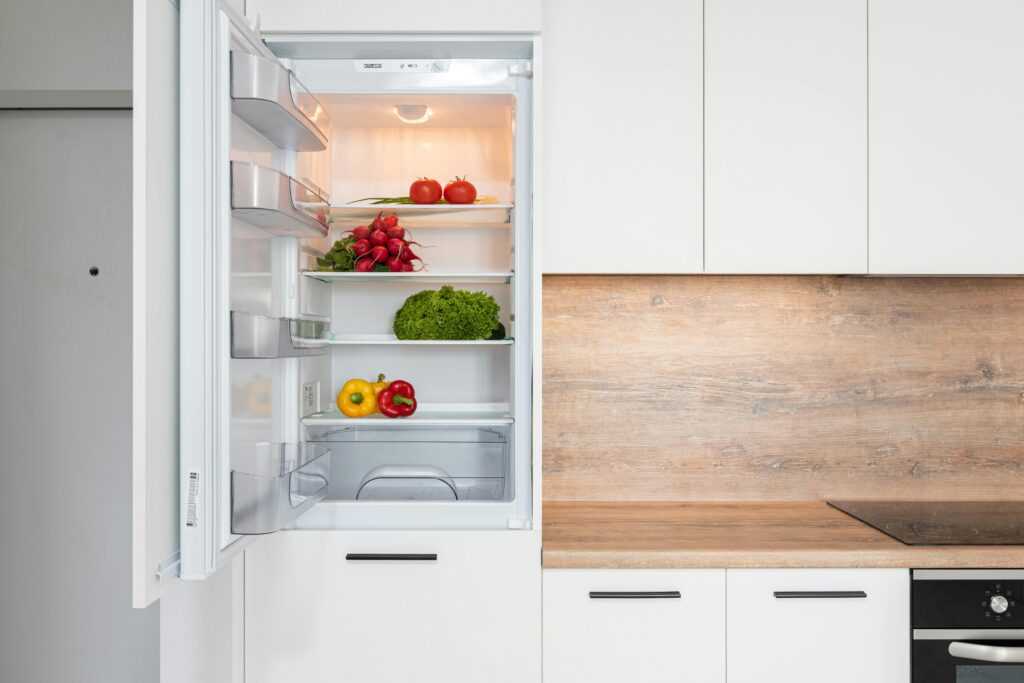
If you’ve ever opened your fridge to find spoiled leftovers, wilted produce, or mystery containers buried in the back, you’re not alone. Poor fridge organisation isn’t just an inconvenience — it can actually cost you money. When food spoils early or gets forgotten, you end up throwing away groceries you’ve already paid for. And in many homes, that adds up to hundreds of dollars a year. The good news? A smarter layout — and a better understanding of how your fridge works — can make all the difference. Modern designs like a side by side fridge make it easier to see and access what you have, helping to cut down on waste and keep food fresher for longer.
The Hidden Cost of a Disorganised Fridge
It’s easy to underestimate how much food waste comes from bad storage habits. A forgotten tub of yoghurt here, a few limp vegetables there — it doesn’t feel like much in the moment. But over time, it adds up. According to global food waste studies, households throw away a significant portion of their weekly groceries simply because of poor storage and expired items.
Beyond the waste, there’s another cost: energy. When your fridge is overloaded or constantly opened while you hunt for items, it has to work harder to stay cool. That extra strain can raise your electricity bill and shorten the lifespan of your appliance.
Understanding How Your Fridge Works
Every fridge has temperature zones — and not all areas are equal. Some spots are colder than others, and understanding how to use them can extend your food’s freshness dramatically.
- Upper shelves: Consistent temperature, ideal for ready-to-eat items like leftovers, drinks, and condiments.
- Middle shelves: Great for dairy products such as milk, yoghurt, and cheese.
- Lower shelves: The coldest area — best for raw meat, poultry, and fish.
- Crisper drawers: Designed to control humidity, perfect for fruits and vegetables.
- Door shelves: The warmest zone, suited for sauces and condiments (not milk or eggs).
Keeping food where it belongs reduces spoilage and ensures it stays at its ideal temperature.
How Fridge Layout Impacts Energy Use
A cluttered fridge doesn’t just make it harder to find things — it actually affects how well your appliance works. When airflow is blocked, cool air can’t circulate properly, forcing the fridge to work harder. Over time, that can increase energy use and wear down components.
A side-by-side design helps avoid this problem by offering more vertical storage and better separation between fresh and frozen goods. You can dedicate certain shelves to specific categories — like snacks, produce, or leftovers — making everything easier to access without constantly opening the door or rearranging items.
A Few Efficiency Tips
- Avoid overfilling your fridge; aim for around 70–80% capacity to allow for airflow.
- Keep the temperature between 3–5°C for optimal freshness.
- Regularly check seals and clean coils to maintain efficiency.
- Group similar foods together so you spend less time with the door open.
Even small adjustments like these can make a noticeable impact on your monthly energy costs.
Create a System That Works for You
The best fridge layout is one that fits your household’s habits. Start by thinking about how you use your fridge — what items you reach for most often, and which ones tend to get forgotten.
Here’s a simple, functional setup to consider:
- Eye level: Everyday items — the things you grab most often.
- Lower shelves: Raw ingredients like meats and seafood, where it’s coldest.
- Crispers: Separate fruits and vegetables; most fridges allow you to adjust humidity for each drawer.
- Door compartments: Sauces, jams, drinks, and butter.
Use clear bins or trays to group smaller items together. This makes it easier to see what you have and prevents things from getting lost behind bulkier items.
Avoid Common Storage Mistakes
Sometimes, small habits can have big consequences for your fridge’s efficiency and your grocery bill. Watch out for these common mistakes:
- Storing hot food straight in the fridge — it raises the internal temperature.
- Overpacking shelves so cold air can’t circulate.
- Keeping milk or eggs in the door (they spoil faster there).
- Ignoring “first in, first out” — use older food before newer purchases.
Fixing these habits costs nothing but can save you real money over time.
Turn Organisation Into a Weekly Habit
Once you’ve optimised your fridge layout, maintenance is key. Spend a few minutes each week checking expiry dates, wiping shelves, and reorganising as needed. A quick weekly reset keeps everything visible, fresh, and easy to grab.
It also helps you plan meals better. When you can see exactly what’s inside, you’re more likely to use ingredients before they spoil — and less likely to double-buy items you already have.
The Payoff: Fresher Food and Lower Bills
When your fridge is well-organised, you’ll notice the difference almost immediately. Groceries last longer, mealtime feels simpler, and your energy bills may even drop slightly. More importantly, you’ll waste less — and that’s money right back in your pocket.
A well-designed, efficient layout isn’t just about neatness — it’s about creating a kitchen that works for you. And with the right setup, your fridge can quietly save you hundreds a year while keeping everything inside fresher, longer.