Generational Shifts in Housing Demand
Millennials and Gen Z are now the dominant forces in both the rental and first time buyer markets. Not by chance, but because the math and the mindset line up that way. These generations have hit the age where people typically move out, settle down, or start thinking long term about where they live. The difference? They’re doing it on their own terms fueled by tech, delayed by debt, and shaped by a few tough economic headwinds.
Student loans, inflated home prices, and higher interest rates have slowed the traditional path to ownership. Many younger adults just don’t see a 30 year mortgage as a logical next step. They hold off on buying not because they don’t want to but because the cost benefit equation doesn’t make sense right now. Flexibility, location independence, and financial agility matter more than owning square footage.
This mindset shift is redrawing the real estate map. Renting is no longer just a stepping stone it’s a strategy. And when these generations do buy, they’re more selective. Function needs to beat flash. Energy efficiency trumps granite countertops. Proximity to work or good Wi Fi can outweigh owning land. The demand, in short, isn’t shrinking it’s just being redefined.
Digital Driven Home Search Habits
For Millennials and Gen Z, home hunting starts the same way everything else does: on a phone. Mobile first listings aren’t just helpful they’re expected. If the scrolling isn’t smooth, the layout isn’t intuitive, or the listing images feel old school, it’s a hard pass. Virtual tours are basically mandatory now. Buyers and renters want to walk through a space without booking a time or commuting across town. Anything less feels clunky.
Then there’s social proof. Before reaching out to an agent, younger buyers are checking reviews on Reddit, Instagram comments, or TikTok reactions. A polished walkthrough shared by a lifestyle creator carries more weight than a bullet point checklist.
Platforms like TikTok and Instagram aren’t distractions they’re filters. Users discover neighborhoods, compare rent values, and even inspect finishes through quick, authentic videos. A two minute recap from someone walking through their new high rise becomes more influential than a brochure or agent pitch.
Tech fluency also drives expectations. Gen Z and Millennials want the full experience scheduling, documentation, and leasing to be seamless. They know how apps should work and lose patience quick when systems lag. It’s not just about finding a place it’s about feeling in control throughout the process.
Design and Location Preferences

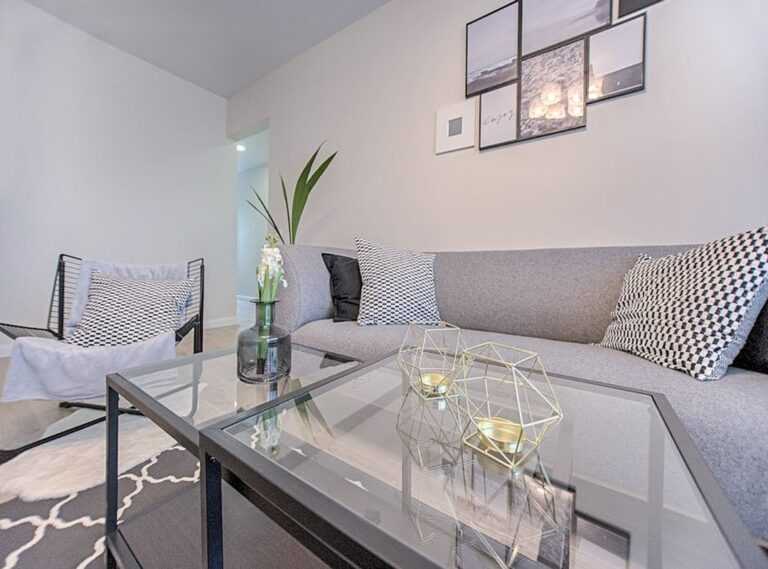
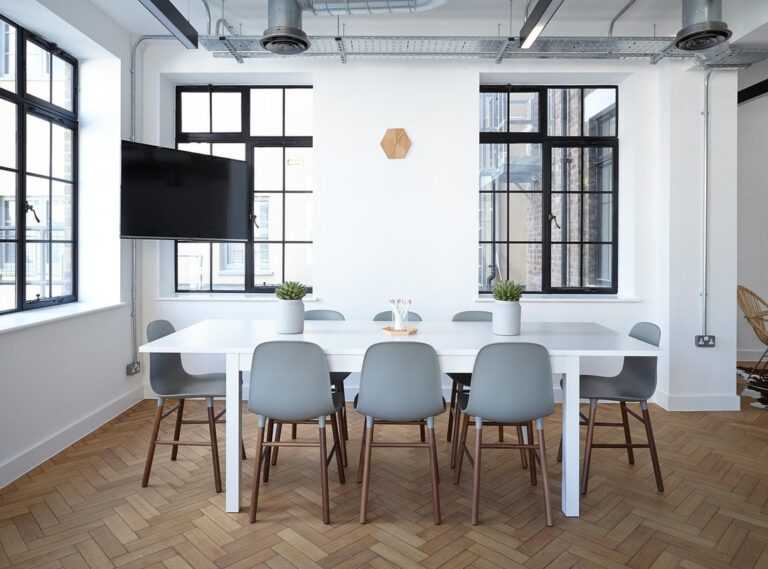
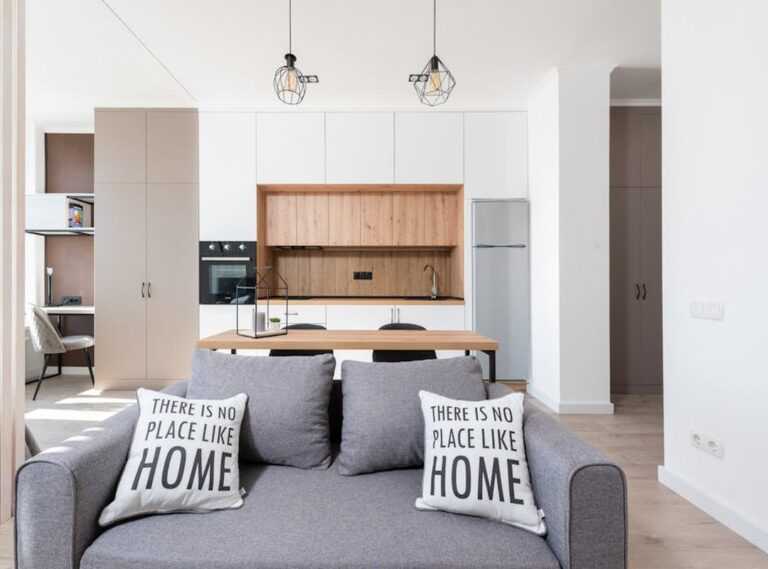
For Millennials and Gen Z, home isn’t just where the Wi Fi connects automatically it’s where design meets purpose. Gone are the days of chopped up layouts and underused guest rooms. Open floor plans, versatile living spaces, and sustainable materials aren’t wishlist extras they’re expectations.
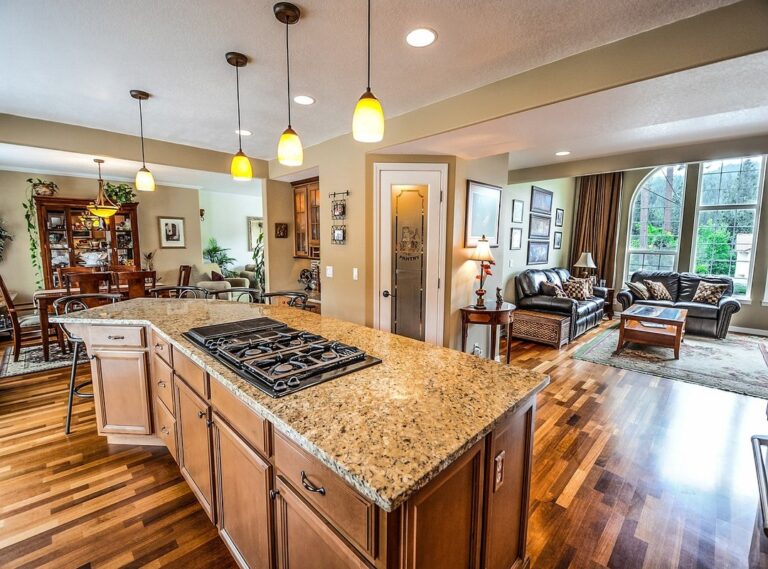
This cohort is practical and selective. Functionality now beats square footage. Think kitchen islands that double as desks, sliding doors that expand spaces, and built in tech that handles lighting, heating, and security without a fuss.
Location wise, the sweet spot isn’t deep urban or far flung suburb. It’s the in between. Places with local cafés, transit access, and walkable streets but without the city level price tag. These urban suburban hybrids draw younger buyers and renters who want community, access, and flexibility all in one ZIP code.
Developers are starting to follow the signal: build smarter, not bigger. Because for Millennials and Gen Z, it’s less about having more and more about doing more with less.
Renting with Purpose
For many Millennials and Gen Zers, renting isn’t just a stepping stone it’s a conscious lifestyle choice. The old idea that renting means you’re falling behind has lost its grip. Flexibility, location freedom, and lower up front costs matter more to younger renters than owning a piece of the white picket American dream.
But this new wave of renters isn’t settling for basic. They expect extras. Think co working spaces that don’t feel like afterthoughts, fitness centers with actual equipment (not a dusty treadmill in the corner), and pet friendly policies designed for dog parents, not just dog tolerant landlords. In short, they’re paying attention to the details.
Then there’s the community angle. Isolation doesn’t sell. Co living setups and micro apartments are growing, offering intentional spaces where connection is built into the floor plan. For today’s renters, it’s less about the footprint of their unit and more about the lifestyle the building supports. Convenience, community, and connection you’ll need all three to earn their signature on the lease.
Economic Impact
As Millennials and Gen Z reshape the housing landscape, their preferences and behaviors are forcing the real estate industry to rethink long standing models. The impact is rippling across development strategies, rental offerings, and policy conversations.
Developers and Landlords: Pivoting to Meet New Demands
Today’s younger buyers and renters aren’t just looking for shelter they’re looking for purpose aligned spaces. This shift has pushed developers and landlords to:
Prioritize flexible floor plans that reflect modern, mobile lifestyles
Emphasize sustainability through eco friendly building materials
Invest in smart home integrations and high speed connectivity
Offer lifestyle centered amenities like co working areas and wellness spaces
Suburbs Are Evolving
Traditional suburban living is being reimagined to appeal to younger demographics. This includes:
Creating walkable town centers with mixed use developments
Increasing alternative transportation options (bike lanes, public transit access)
Building affordable, medium density housing to balance cost with comfort
Suburban areas taking a forward thinking approach are seeing revived interest from younger renters and first time buyers who want urban benefits without the extreme costs.
Urban Planning Shifts and Zoning Reform
The cumulative effect of generational housing trends is driving changes in how cities and towns think about growth. Local governments and urban planners are increasingly:
Reassessing zoning rules to allow for more multifamily and mixed use housing
Encouraging adaptive reuse of commercial buildings for residential purposes
Engaging with community voices to guide inclusive development
These shifts are positioning municipalities to better accommodate shifting demographics and to remain economically competitive in the long term.
For a deeper dive into how Millennials and Gen Z are shaping market dynamics, check out this analysis: Millennial Market Insights.
What It Means for the Future
Millennials and Gen Z aren’t just shaping housing trends they’re flipping the script. As their buying power grows, so does their sway over what sells and what sits. Their preferences lean digital, fast, and values driven. That means traditional real estate models paper heavy processes, cookie cutter suburbs, tone deaf marketing don’t stand a chance unless they adapt.
Real estate marketing is already shifting. Listings are designed for mobile. Home tours are one swipe away. Authentic voices are beating polished pitches. Agents, developers, and platforms trying to reach these generations need to meet them where they are: online, value conscious, and impatient with friction.
Ignore this, and you’re talking to an empty room. Embrace it, and you’re ahead of the curve. Housing pros don’t just need better tools they need a better mindset. The market’s fate isn’t about trends. It’s about finally listening.
(Further reading: millennial market insights)