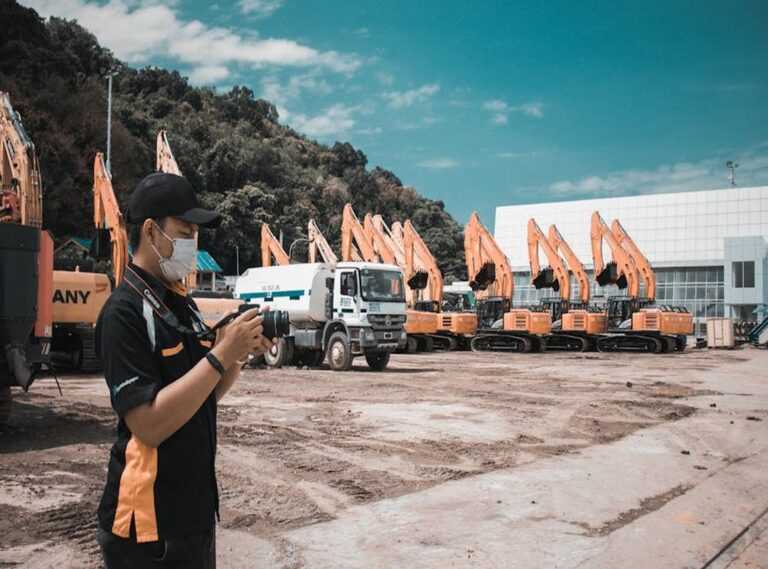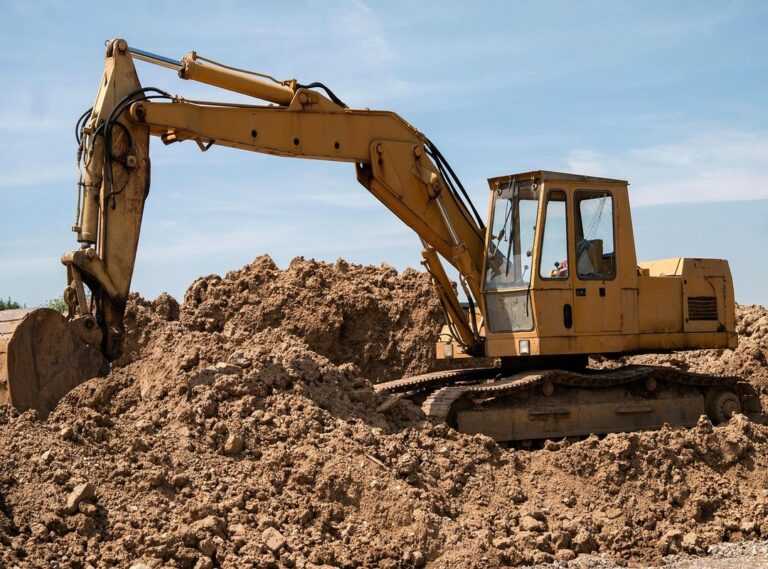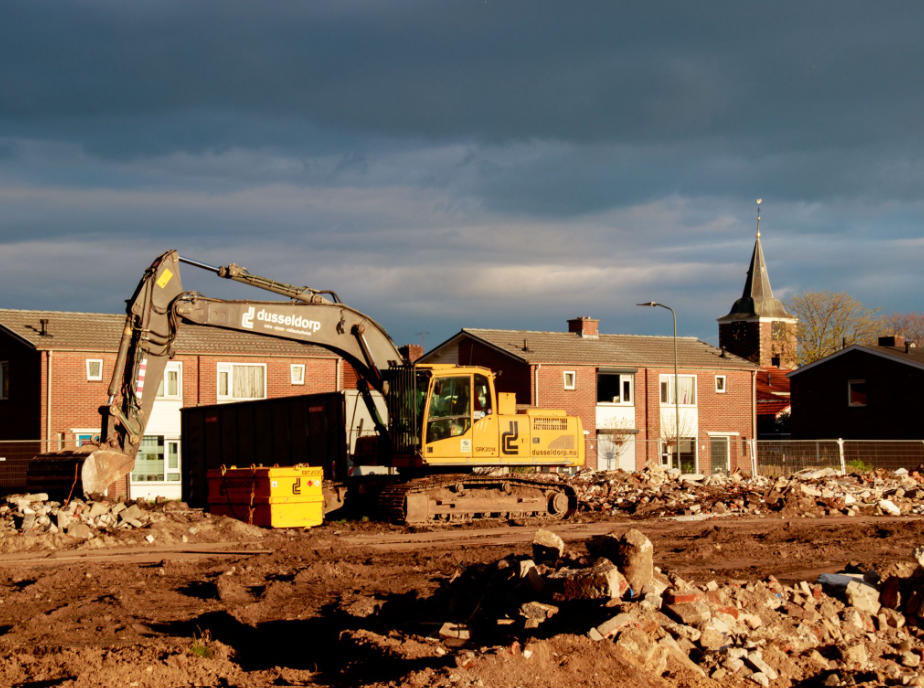
Site preparation before building a house determines how smoothly everything that follows can move, from foundation work and utility access to drainage, driveways, and final grading. A property may look ready for construction from the road while still needing clearing, excavation, fill, compaction, drainage planning, or access work before a builder can start. For buyers and owners, the practical question is not simply whether a lot is large enough for the house they want. They also need to know how the ground will be shaped, where water will move, how equipment will enter, and whether the finished grade will work with the planned home. Good site work creates a usable building platform instead of forcing later trades to correct avoidable problems.
Why site preparation before building a house matters early
Buying land is often the exciting part. The less visible work begins afterward, when the lot has to match an actual construction plan. That is where local site-work experience becomes useful. Property owners comparing Dirt Contractors in Abilene, TX may need help with excavation, grading, fill dirt, topsoil, road access, or other earthwork depending on the property and the scope of construction. The exact services vary by contractor, so the owner should compare what each company handles and how its work fits the builder’s schedule.
This stage deserves attention before foundation excavation begins because it connects several decisions. The proposed house elevation affects grading. Grading affects drainage. Drainage influences where water should move after a storm. Equipment access can affect driveway placement and the order in which work is completed. If those decisions are made separately, crews may end up reworking the same area more than once.
What to check on the land before construction starts
A vacant lot often has more to it than it seems at first. Trees, brush, old fencing, uneven ground, abandoned materials, erosion channels, or previous grading may all affect preparation. Even a mostly flat property needs to be reviewed against the house plan rather than judged only by appearance.
The building location is a good starting point. Owners should confirm how the home sits on the lot, where the driveway will run, which areas construction equipment must reach, and how water should leave the building area. Utility routes also matter because trenching for water, sewer, electric, or other services can overlap with planned grading.
A practical pre-construction review can cover:
- the proposed building footprint and finished floor elevation;
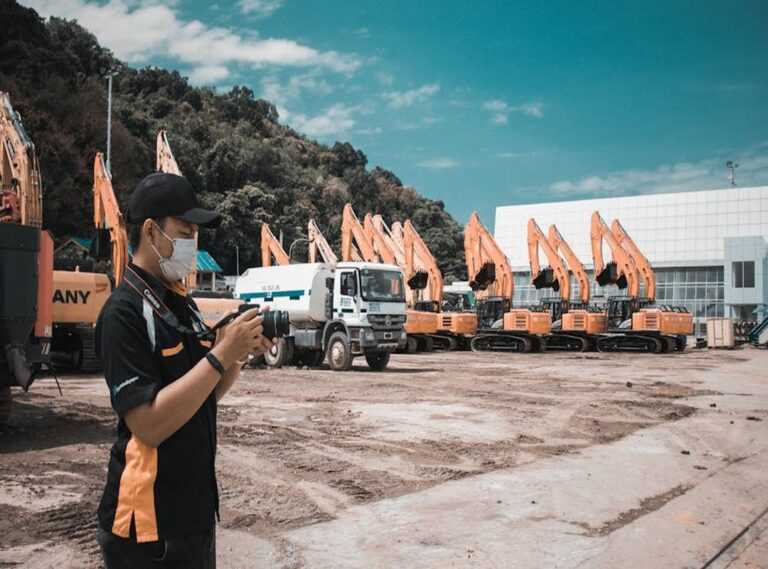
- access routes for excavators, concrete trucks, and delivery vehicles;
- areas that need clearing or removal;
- visible low spots or existing erosion paths;
- planned driveway and parking locations;
- utility routes and trench areas;
- where excavated soil can be placed or whether additional material may be needed.
How grading affects a new home site
Grading is easy to think of as making the lot look level, but residential grading is really about shaping the ground around the planned use of the property. The finished surface must support construction and also direct water away from areas where it can cause trouble.
A perfectly flat yard is not automatically the desired result. The ground around the house usually needs deliberate slopes and transitions. Driveways, patios, walkways, drainage features, neighboring properties, and natural terrain all affect the final shape. When you consider these elements early, you can form the site with the future home in mind rather than correct it after landscaping begins.
Building a house requires the site to work as a whole, so grading decisions must coordinate with the foundation and drainage plan. Moving soil twice because the first grade conflicts with later work wastes time and equipment hours.
| Site-work area | Question to resolve | Why it matters |
| Building pad | Is the area at the planned elevation and condition? | Supports the next construction stages |
| Drainage | Where will runoff move after rain? | Helps prevent water from collecting near the home |
| Driveway | Can construction and future vehicles use the route? | Affects access throughout the project |
| Fill areas | What material is needed and where? | Poor placement can lead to later settlement |
When excavation and fill become part of site preparation
Some lots need very little cut-and-fill work. Others require a noticeable amount of reshaping before construction can begin. Excavation may be needed for the building area, utility trenches, drainage features, driveway work, or removal of unsuitable material. Fill may be used where elevations need to be raised or transitions created.
This is one reason owners should avoid assuming that soil moved from one part of the property can automatically be reused anywhere else. Material suitability depends on what it contains and what the area needs to support. A contractor can explain whether on-site material can be reused, whether imported fill is appropriate, and how placement should be coordinated with the next trade.
The volume of earthwork also affects logistics. A project that produces excess material needs a plan for where that soil will go. A project that needs imported material requires truck access and a suitable staging area. The cleaner the material plan is before work begins, the less likely the site is to become congested once multiple crews arrive.
Why drainage should be planned with the house
Drainage is one of the easiest issues to postpone because its importance may not be obvious during dry weather. A lot can look completely manageable until the first heavy rain shows where water naturally collects.
The house, driveway, retaining features, landscaping, and neighboring grades can all change that movement. Site preparation should therefore consider runoff before final shaping is finished. The goal is to keep water from settling around the structure or creating unwanted erosion paths across areas that will later become yards and walkways.
Coordinate site preparation before building with the builder
A dirt contractor and a home builder may be responsible for different stages, but their work overlaps more than it first appears. The builder needs a site that is accessible and shaped appropriately for foundation and construction activities. The site contractor needs reliable information about elevations, building location, drainage, and future improvements.
Coordination is especially helpful before major equipment arrives. Drawings should be current, property limits should be understood, and the construction team should agree on which areas can be disturbed. If a future septic area, utility route, or landscape feature needs protection, marking it early is simpler than repairing damage later.
What a prepared home site should accomplish
The finished goal of site preparation before building a house is not a perfectly polished yard. At this stage, the site should be ready for the next construction work and organized enough that later crews can operate without undoing earlier decisions.
A prepared site should have a clear building area, workable access, planned drainage, coordinated utility routes, and a realistic strategy for soil movement. Those basics support the house itself while also setting up the future driveway, yard, and outdoor spaces.
For property buyers, that makes site preparation part of the real estate decision rather than an afterthought. Two lots with similar dimensions can require very different amounts of clearing, excavation, fill, and grading before you can build the same house. Looking at the ground as part of the project – not simply as the space beneath the future home – gives owners a much clearer idea of what construction will actually involve.