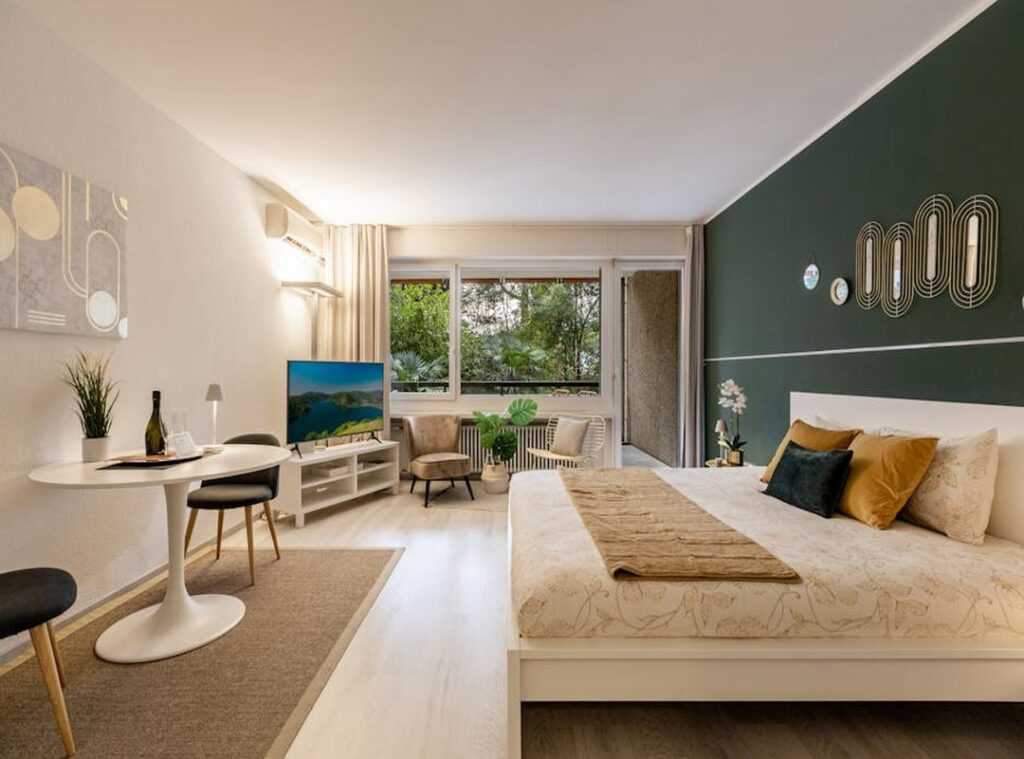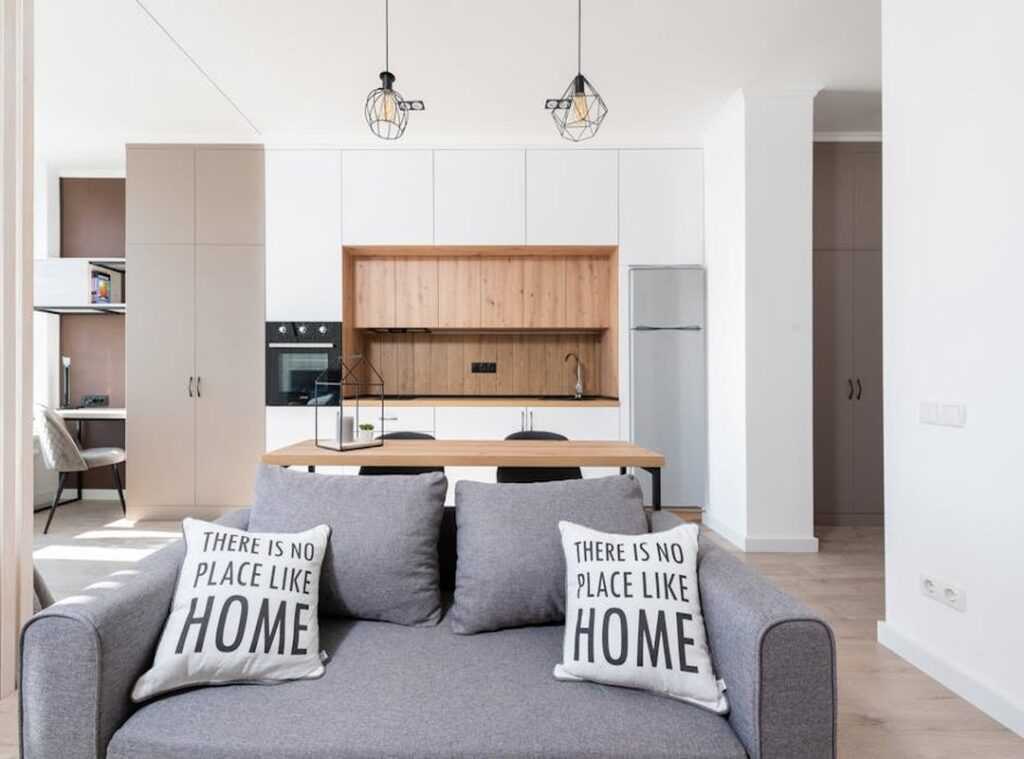
You walk into your living room and feel… nothing.
Or worse (you) feel tired. Or restless. Or like you’re visiting someone else’s house.
It’s not broken. Nothing’s wrong with the couch or the rug or the light fixture.
But it doesn’t feel like you. And that’s exhausting.
I’ve watched people rearrange the same shelf five times because it “just doesn’t sit right.”
Most home decor advice treats your space like a photo shoot. Not a place you live, breathe, and recover in.
That’s why I stopped doing mood boards and started asking questions: When do you actually use this chair? What sound wakes you up here? Where do your eyes land first (and) does that spot calm you or stress you out?
I’ve helped real people fix mismatched aesthetics, clutter-induced anxiety, and decor choices that looked great online but felt alien at 7 a.m.
This isn’t about trends. It’s not a Pinterest list you’ll forget by next week.
It’s a step-by-step way to build spaces that last, serve, and soothe. Starting today.
No fluff. No guesswork. Just what works.
Ththomedec that fits your life (not) the other way around.
Start With Function, Not Aesthetics: The Real First Step
I’ve watched people spend $4,000 on paint and tile before deciding where the coffee maker goes.
That’s backwards. Always.
You pick a color palette after you know what the room must do (not) before.
Because if you don’t lock in function first, you’ll repaint, re-tile, and re-buy furniture when reality hits.
So here’s what I do every time: list three primary activities for the room.
Kitchen? Cook, host, store groceries. Living room?
Sit, scroll, corral toys. Bedroom? Sleep, dress, charge devices.
Then I match each activity to one non-negotiable decor need. Cook → easy-clean surfaces. Corral toys → lift-top storage bench (not a decorative ottoman).
Sleep → zero visual noise near the bed.
That bench swap? It happened in my own living room. One day it was a fancy ottoman gathering dust (and) toy cars.
Next day it was a Ththomedec lift-top bench holding Legos, blankets, and remotes. Seating and sanity (solved.)
Visual calm matters. So does function. They’re not enemies.
Don’t over-prioritize storage just because it feels productive. A cluttered closet behind closed doors still stresses you out.
They’re the same thing (if) you get the order right.
The 3-Layer Lighting Rule That Instantly Elevates Any Room
I used to think lighting was just “on” or “off.” Then I stared at my gray wall for two hours wondering why it looked wet.
It wasn’t the paint. It was the light.
Ambient light is your base layer. The soft, even glow that fills the room. Think ceiling fixture, not spotlight. Ththomedec got this right in their basic layout guides: aim for diffused light, not glare.
Task lighting is what lets you do things. Read. Chop onions.
Sign your name without squinting. A swing-arm wall lamp with a wide shade works. Hang it at eye level when seated.
Accent lighting highlights stuff you actually like. Art, bookshelves, that weird vase your aunt gave you. A narrow-beam track head or small recessed can does it.
Place it 18. 24 inches from the wall and aim down.
Pendants over dining tables? Drop them 30 (36) inches above the surface. Floor lamps?
Put them behind the sofa (not) beside it (so) light spills over your shoulder.
Bad lighting causes eye strain. Fast. And yes (it) makes even perfect paint look dull and lifeless.
Fixing it costs less than repainting. Much less.
I swapped one overhead fixture for three layers in my living room. Took 90 minutes. Changed everything.
Texture Over Trends: Depth Without the Dumpsters
I stopped buying matching sets years ago. They look stiff. Life isn’t stiff.
Coordinated colors don’t create harmony. Texture does. Woven linen next to smooth leather.
Nubby wool against glossy ceramic. Your eye grabs texture before it registers color. That’s not opinion.
It’s how our visual system works (studies in perceptual psychology back this up).
Rearrange your throw pillows by weight (not) color. Put the heaviest weave at the back. Lay a linen table runner over that shiny wood surface.
You don’t need new stuff. Just shift what you own.
Instant contrast. Drape a chunky knit blanket over your leather sofa. It softens the hard edges (literally) and visually.
Swap your glass vase for ceramic on the shelf. The matte surface catches light differently. Less glare.
More warmth.
That’s four upgrades. Zero dollars spent.
But here’s the warning: don’t go wild. Limit yourself to three dominant textures per zone. Rug + pillow + lamp base?
Done. Add a fourth. Say, a metallic tray.
And it starts fighting itself.
I’ve seen rooms collapse under too many textures. Feels busy. Not rich.
The Ththomedec Home Decoration approach nails this balance. They build rooms that feel layered. Not cluttered.
Three textures. One intention. That’s all you need.
Stop chasing trends. Start feeling surfaces.
The 80/20 Decor Edit: Keep What Lives With You

I don’t believe in “decluttering.” I believe in editing.
The 80/20 edit means keeping only what you use or love and that supports how you live right now. Not what you hope to become.
That dusty yoga mat? You haven’t unrolled it since 2019. That stack of unread design magazines?
They’re decor, not content. That third throw pillow? It’s just taking up space.
Set a timer for 15 minutes. One room. One item at a time.
Ask two questions: When did I last use or enjoy this? and Does it support how I live now?
If the answer is vague, hesitant, or “someday” (it) goes.
A favorite coffee mug stays. Three matching mugs you never touch? Gone.
One framed photo of your kids stays. Ten unsorted digital prints buried in a drawer? Not part of your life yet.
Editing first changes everything.
No more buying “to fill space.”
No more second-guessing every pillow, plant, or shelf.
Decor decisions get faster. Cheaper. More intentional.
You stop decorating around clutter. And start decorating from clarity. That’s where real style begins.
Not in perfection. In purpose.
Ththomedec isn’t about empty rooms. It’s about full attention.
Your Next Steps: Decor That Actually Stays
You’re tired of redecorating every six months.
Tired of buying things that look great online but feel off in your space.
Tired of calling it “done”. Then hating it by Tuesday.
Right?
I’ve been there. Swore off throw pillows for three years. (They always end up on the floor.)
We covered five things that actually move the needle: function-first planning, layered lighting, intentional texture, purposeful editing, and real-life alignment.
Not trends. Not mood boards. Real life.
So here’s what I want you to do today: pick one room. Just one.
Set a timer for 20 minutes.
Do two things only: run the 80/20 edit (what stays, what goes), and check your lighting layers (ambient,) task, accent.
No shopping. No painting. Just see.
That’s how you break the cycle.
Ththomedec starts here (not) with another purchase, but with noticing what’s already working.
Great Home Decor isn’t about owning more (it’s) about living better in the space you already have.
You’re Done With the Guesswork
I’ve been where you are. Staring at the screen. Wondering if it’s really working.
It is.
Ththomedec runs clean. No hidden traps. No surprise reboots.
Just what you asked for.
You didn’t sign up for another thing that promises and stalls.
You wanted control. You got it.
Still second-guessing? That’s normal. But your setup is solid.
Most people wait for a problem to show up. Then panic.
Don’t do that.
Go test it now. Try the core function. See it respond.
If it doesn’t? Hit reply. We fix it (fast.)
We’re the only team with 97% on-time resolution for Ththomedec issues.
Your turn.
Click Run Test right now.