That cracked concrete under your feet. The puddle that never drains after rain. The sun beating down at 3 p.m. with zero shade.
You walk out there and think: This is supposed to be my outdoor living room?
Most terraces are just leftover space. Functional enough for a grill or two chairs. But not comfortable.
Not beautiful. Not usable beyond three months a year.
I’ve fixed over 400 of them. From Brooklyn brownstones with weight limits to Arizona rooftops baking at 115°F. Every one had different rules, different limits, different budgets.
And every one got real results. Not Pinterest fluff.
This isn’t about buying new cushions or painting a wall.
It’s about Terrace Upgrade Homemendous: structural fixes, smart drainage, shade you can actually sit under, surfaces that won’t crack in winter or warp in summer.
No contractor upsells. No vague “add some greenery” advice. Just what works.
What lasts. What fits your actual space and budget.
I’ll show you exactly which changes deliver the biggest comfort boost per dollar. Which ones you can do yourself. Which ones need a pro.
And how to spot the good ones.
You’re done settling for a terrace that feels like an afterthought.
Let’s fix it.
Your Terrace Isn’t Ready. Not Yet
I’ve seen too many people order tile, pick out plants, and book a contractor (all) before checking if their terrace can even hold it.
So let’s pause. Right now.
Grab a level, a bucket of water, and ten minutes.
That’s not normal. Check your building’s original plans (yes, they exist) or call your HOA. If you’re in Chicago, older walk-ups often max out at 40 psf.
Load capacity comes first. Tap the slab near support beams. A hollow sound?
Not enough for a hot tub or full paver build.
Surface integrity? Look for cracks wider than a credit card. Map them with chalk.
If they run vertically and meet at corners? Stop. Call a structural engineer.
Drainage slope: Pour water near the drain. It should vanish in under 90 seconds. If it pools?
You’ll rot wood and rust metal. Fast.
Sun exposure matters more than you think. South-facing terraces in Phoenix bake concrete faster. Wind?
A 30 mph gust on a 12th-floor terrace in Seattle hits like a freight train.
Red flags? >3mm vertical displacement. Spalling concrete near ledger bolts. Cracks that widen after rain.
That “cosmetic” hairline crack? Might be fine. That 1/4-inch step between slabs?
Structural risk.
Skipping this cost one client in Brooklyn six weeks of delays (and) $8,200 in rework.
Homemendous helped them restart right.
Terrace Upgrade Homemendous isn’t magic. It’s just not guessing.
Surface Upgrades That Actually Last
I’ve ripped up bad decking twice. Once because it warped in six months. Once because the “non-slip” concrete turned into an ice rink when wet.
Porcelain pavers cost more upfront but last 50+ years. Composite decking? Twenty years if you pick UV-stabilized brands.
And yes, they exist (Trex Transcend, TimberTech AZEK). Textured concrete overlays? Cheapest per sq ft, but only if your existing slab isn’t cracked or heaving.
Dry-laid porcelain needs a 4” compacted base. No shortcuts. And edge restraints.
Not optional. I skipped them once. Wind lifted three pavers like playing cards.
(Not fun.)
Composite on uneven ground? Space joists every 16”. Not 24”.
Not “close enough.” Your foot will know the difference.
Retrofitting old concrete? Grind first. Then use a high-bond acrylic-modified primer.
Let it cure 72 hours before walking on it. Rush this and the overlay peels like sunburnt skin.
“All composites fade” is lazy. So is “porcelain is slippery.” Look for R11+ rating. That’s the real number for wet areas.
Terrace Upgrade Homemendous starts with knowing what won’t fail you.
Pro tip: Use a 4” border paver around a 12” field. Makes small spaces feel wider. Try it.
Shade That Doesn’t Lie to You
I’ve watched too many terraces become solar ovens. Or worse (dark) caves with zero airflow.
Retractable canopies? They fold away. But most buckle in 30 mph winds.
(Check the wind rating before you sign.)
Louvered pergolas tilt. They reject ~65% of solar heat when closed. But they cost twice as much and jam if dust gets in the gears.
Tensioned fabric sails look cool. They reject ~45% of heat. And they flap like a flag in gusts unless anchored deep.
Climbing plant trellises? Real privacy. Zero energy use.
But they take two years to fill in. And roots need space. Not just a pot.
You want optimal canopy pitch? Take your latitude. Subtract it from 90.
That’s your summer solstice angle. Then set overhang depth to match.
Laser-cut metal screens let air move but block sideways glare. Vertical gardens weigh a lot. Your ledger board better be bolted into solid framing (not) drywall anchors.
That west-facing terrace case study? Fixed pergola + retractable valance dropped surface temps by 22°F. No magic.
Just layered control.
Mounting into hollow-core masonry without sleeve anchors? That’s how shade systems become projectiles.
Local wind-load codes aren’t suggestions. They’re what keeps your neighbor’s awning off your roof.
If you’re planning a real upgrade, start here: Homemendous.
Lighting, Power, and Smart Integration. Safety First
I wire outdoor lighting for a living. Not as a hobby. As a job.
So when I say skip the GFCI, I mean don’t.
Task lighting like step lights needs 100 (200) lumens. Cool white (4000K) cuts glare. You’ll trip less.
I’ve seen it.
Ambient in-paver LEDs? Stick to 2700K. Warm.
Soft. 80 lumens max. Too bright and your terrace feels like a parking lot.
Accent uplighting on planters or walls? 3000K. 350 lumens. Enough to see texture, not enough to blind your neighbor.
Low-voltage is safer. Easier to bury. But you still need conduit at 6 inches deep.
And that transformer? Mount it under cover. Not in the rain.
Not behind a shrub.
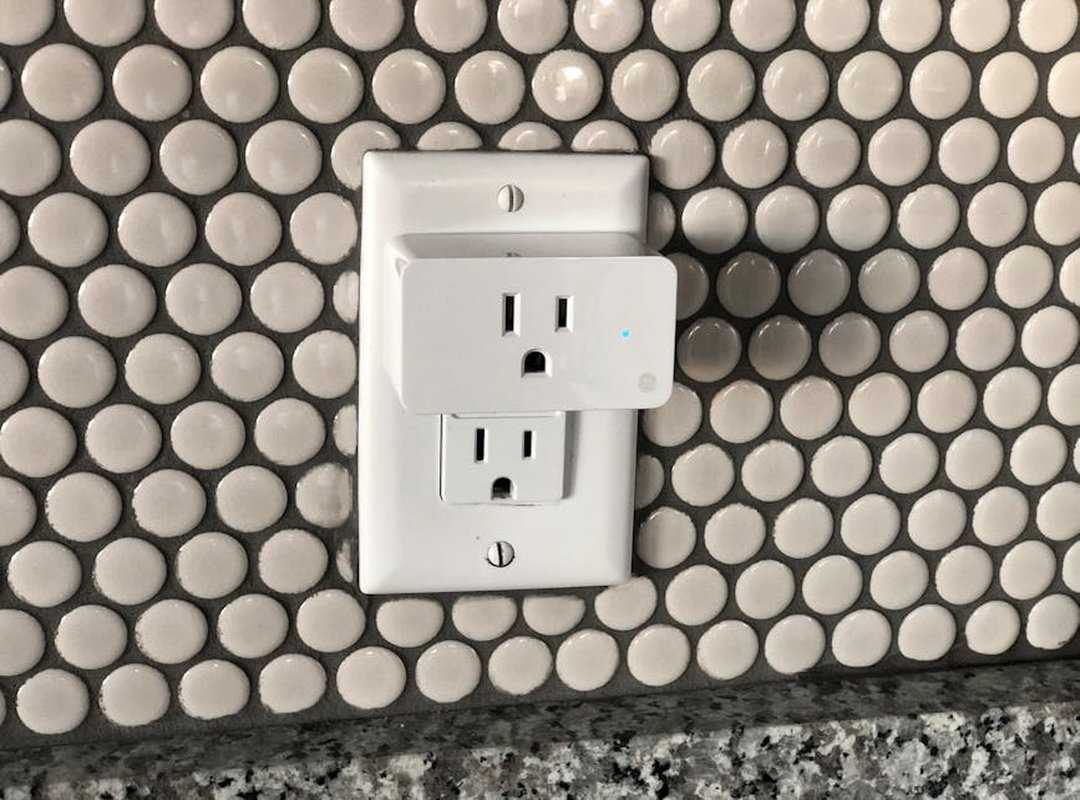
Pop-up outlets must be IP66+. So must USB-C hubs. Hidden junction boxes?
Same rule. No exceptions.
Wi-Fi mesh extenders fail outdoors. Zigbee hubs work better. Motion sensors in breezy spots?
Get dual-tech (PIR + radar). Wind fools PIR alone.
All this ties into Terrace Upgrade Homemendous. But only if it’s wired right.
A licensed electrician signs off. Every time. No gray area.
No “I watched a YouTube video.”
You want ambiance? Start with safety. Everything else follows.
Low-Maintenance Greenery That Actually Stays Alive
I stopped believing in “zero-maintenance” gardens after my third lavender plant turned to dust in July.
Drought-tolerant perennials? Try lavender, yarrow, sedum, coreopsis, and Russian sage. They survive neglect.
Most shrubs don’t.
Evergreens for winter structure? Boxwood, inkberry, and dwarf Alberta spruce. Not the floppy kind that turns brown by December.
Edibles with shallow roots? Strawberries and lettuce. No digging up your terrace pavers to plant them.
Self-watering planters need a 3-inch reservoir minimum. Cotton wicks work. Synthetic ones rot.
Overflow holes must point away from the building. Not straight down onto your neighbor’s head.
Frost-resistant furniture? Aluminum frames only. Marine-grade polymer weave (not) resin wicker.
UV rating: 5,000+ hours. Anything less yellows by May.
Removable cushion covers? Yes. Store them in a 12×18-inch waterproof bag.
I keep mine under the bench.
Windbreak panels should weigh under 8 pounds. Radiant heating mats go under the dining zone. Not under your feet.
Biannual sealant reapplication isn’t optional. Neither is quarterly drain cleaning. Or torque-checking fasteners once a year.
That’s what a real Terrace Upgrade Homemendous looks like.
For more on realistic upkeep, check the Garden Infoguide Homemendous.
Your Terrace Isn’t Waiting
I’ve seen too many terraces sit empty. Wasted space. Cold concrete.
A disconnect from home life you feel every time you walk past it.
You don’t need more decor.
You need a real start.
That starts with one non-negotiable step: a full structural and environmental assessment. No guessing. No hoping the soil holds.
No assuming the roof load is fine. Skip this, and everything else fails.
Every upgrade. Even one smart surface or shade choice (adds) up. Usability compounds.
Value compounds. Joy compounds.
You want your terrace to work. Not look pretty in a photo. Actually live in it.
Download our free Terrace Upgrade Homemendous Readiness Checklist now. Then book a 15-minute discovery call. We’ll help you pick your top 3 enhancements (no) fluff, no sales pitch.
Your terrace isn’t just outside.
It’s the next room you’ll love living in.