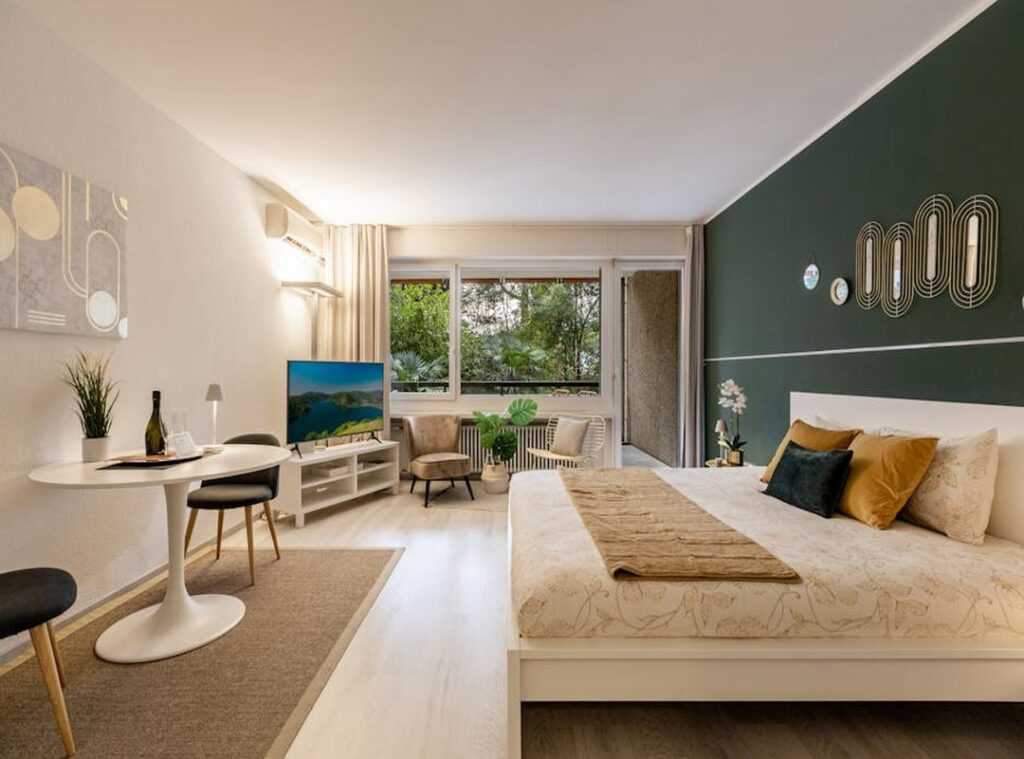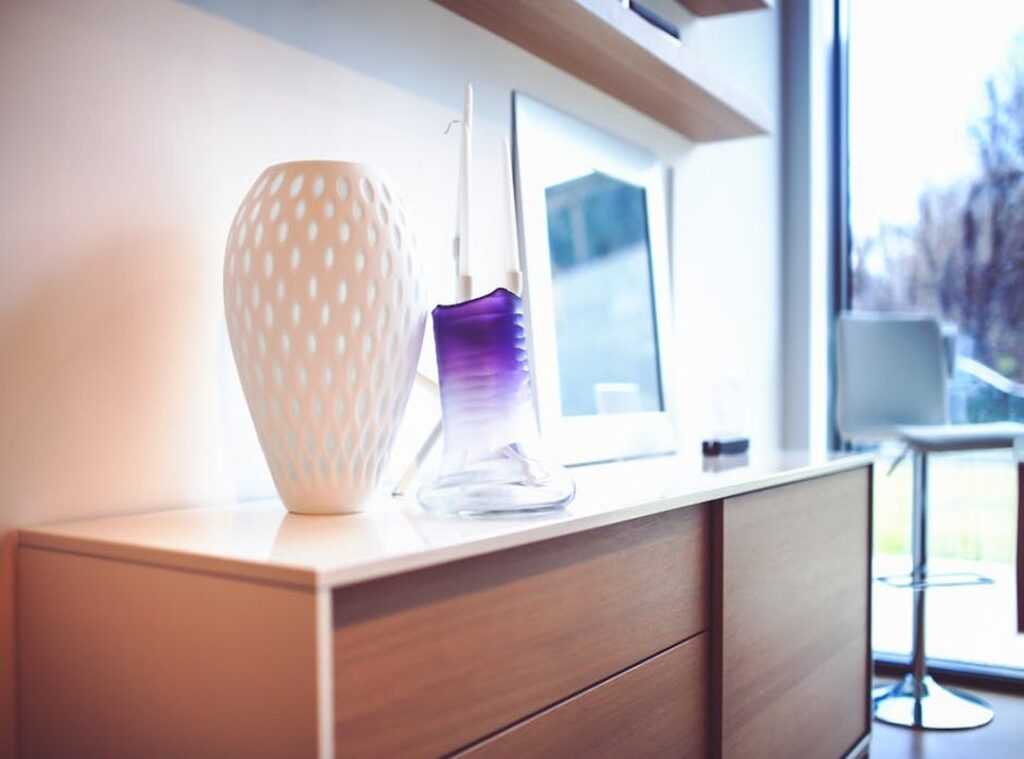
You’ve stood in a room that looked fine on paper but felt cold. Empty. Like it was waiting for something (or) someone (to) make it real.
Then you walked into another space and just stopped. Warm light. A chair you wanted to sink into.
Art that made you pause. That room didn’t shout. It breathed.
What’s the difference?
Most people buy decor like groceries. A lamp here. A pillow there.
No plan. No thread holding it together.
So they end up with clutter. Or worse, a showroom that looks great in photos but feels nothing like home.
I’ve styled over 200 real homes. Not mood boards. Not renderings.
Actual living rooms where kids spill juice and dogs shed on the rug.
Big budgets. Tiny budgets. Cape Cods.
Brutalist apartments. Ranches with sad beige walls.
Time and again, the same thing works: start with intention, not inventory.
This isn’t about chasing trends that’ll look dated in six months.
It’s about choosing pieces that serve you (emotionally,) functionally, visually.
You want How to Decorate My Home Homemendous.
Not “pretty enough.” Not “Instagram-ready.”
Stunning. Cohesive. Yours.
Let’s get there.
Start with Foundation: Color, Light, and Scale That Work Together
I don’t pick wall paint first. I start with the floor. Then cabinets.
You’re probably thinking: But what if the light changes? Exactly. Go get a white poster board and your phone. Hold it up where your main seating area will be at 9 a.m., 1 p.m., and 5 p.m.
Then a rug or sofa fabric. That’s your base palette (not) just color, but texture, reflectivity, warmth. It sets the mood before you hang one picture.
Snap a photo each time (no) filters, no apps. Compare them side by side. You’ll see how yellow your “neutral” gray really gets at noon.
The 60-30-10 formula isn’t magic. It’s math you can measure. In a 12’x14′ living room, your largest wall art should be at least 36″ wide.
Your main sofa? Roughly 30% of the wall length behind it. Throw pillows?
Keep them under 10% of the sofa’s surface area.
Matching wood tones across rooms? Don’t. It looks stiff.
Instead, pick two woods with the same undertone (warm) (red/yellow) or cool (gray/green) (and) let them contrast. A walnut dining table next to a light oak floor works. A walnut table next to cherry cabinets does not.
How to Decorate My Home Homemendous starts here (not) with throw pillows, but with intention. Homemendous has real room plans that follow these rules. Not theory. Rooms people actually live in.
Layer Like a Pro: Textures, Heights, and Purposeful Clutter
I used to pile stuff on shelves until it looked like a garage sale threw up.
Then I learned texture isn’t about more (it’s) about contrast you can feel with your eyes.
Rough, smooth, nubby, glossy, matte. Those are the five texture families. Pick three.
Linen pillow (nubby), brass tray (glossy), ceramic vase (matte). Done. No fourth thing needed.
You don’t need a rule of threes. You need rhythm.
Tall floor lamp. Medium side table. Low stack of books.
That’s movement. Not symmetry. Not matching.
Just up-down-up.
Purposeful clutter? It’s not clutter. It’s curation with intent.
Three framed photos. Same mat width, same black frame, same spacing. They whisper I chose this.
Not I forgot where else to put it.
Now. Audit your shelf.
Empty it. All of it.
Then add back only what passes the test:
You love touching it. It tells a story. Or it transforms the space visually.
That stack of old National Geographics? Only if you flip through them barefoot on Sunday mornings. Otherwise.
Out.
That thrifted teacup? Only if it makes you smile every time you walk past. Otherwise.
Donate.
This is how you stop decorating at your home and start decorating with it.
How to Decorate My Home Homemendous isn’t about buying more. It’s about keeping less. And choosing sharper.
Pro tip: If you hesitate longer than two seconds when holding an object, it fails the test. Put it down.
Lighting Beyond Overhead: The Secret Weapon for Instant Wow
I stopped relying on ceiling lights years ago. They flatten everything. You feel it too.
That flat, tired, hospital-vibe in your living room.
Here are the four lighting layers you must use:
Ambient = flush-mount ceiling fixture
Task = under-cabinet LED strip in the kitchen
Accent = adjustable track head aimed at artwork
Decorative = a single sculptural floor lamp in the corner
Dimmer switches on every hardwired light (yes,) even recessed cans. Change everything. No more harsh glare.
No more squinting. Just control. And value.
Bulbs matter. Use 2700K in living areas. 3000K in kitchens. Always pick CRI >90.
Buyers notice this. It feels expensive.
Colors look real. Skin tones don’t look sickly. (That $2 bulb from the big-box store?
It lies.)
Budget hack: Swap a $12 plug-in pendant with a $40 vintage-style bulb and an $8 cord cover. Done. Looks custom.
Feels intentional.
You want to know How to Decorate My Home Homemendous? Start here (not) with paint, not with furniture. With light.
And if you’re thinking about curb appeal next, check out the this post guide. It’s the same principle: small shifts, big perception change.
One Object, One Memory, Zero Clutter
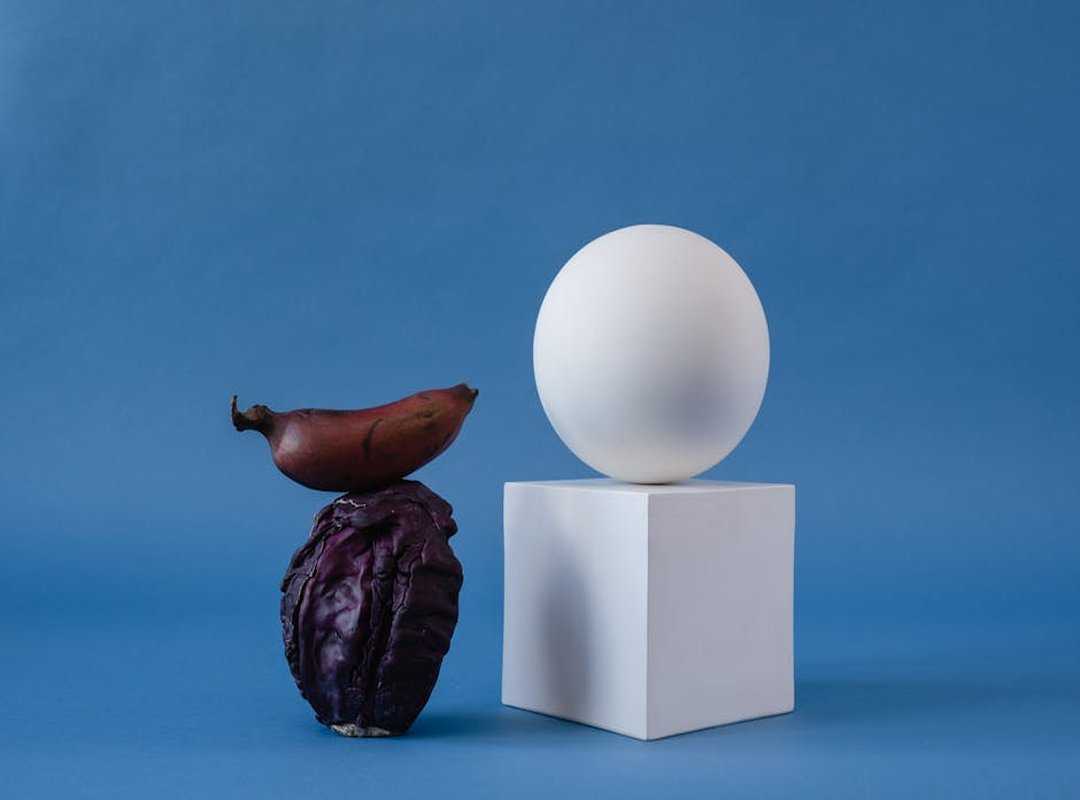
I stopped hanging gallery walls five years ago.
Twelve frames scream “I tried too hard.”
A single memory anchor hits harder. That hand-thrown mug you bought in Oaxaca? Put it front and center on your shelf.
Not tucked behind three others.
You know that pause you make at the coffee maker every morning? That’s where your anchor lives. Same for the bench where you kick off your shoes.
If it doesn’t match the room’s color, texture, or scale. or if it doesn’t spark something real (it) goes in storage. Not on display.
Botanical prints? Boring. Press local leaves instead.
Tuck them in a shadow box.
Skip the mass-produced sculpture. Pick up driftwood on your last beach walk. Set it on a raw wood plank.
Done.
This isn’t about filling space. It’s about honoring what matters.
And if you’re asking How to Decorate My Home Homemendous, start here: choose one object. Place it where you stop. Let it breathe.
That’s all you need.
The Final 10%: Where “Nice” Becomes “Stunning”
I skip the last 10% all the time. Then I walk into someone else’s space and think: How did they make it feel so intentional?
Dust-free surfaces. Aligned picture hangers (use a laser level app). Consistent hardware finishes on every visible knob or pull.
These aren’t extras. They’re non-negotiable.
Empty space isn’t lazy. It’s active design. Try the palm rule: leave a palm-width gap between objects.
Too tight? Feels cramped. Too wide?
Feels abandoned. Just right? Your eye rests.
Sensory cohesion matters more than you think. Cedarwood diffuser (low output). White noise app on mute-adjacent volume.
A wool throw folded with one clean edge showing. That’s the scent-sight-sound triad.
Here’s my 5-minute test: stand at the doorway. Close your eyes. Open them.
Does your gaze land on one focal point? If not, adjust something. Now.
Not later. Within 60 seconds.
This is how you move past “almost done” to stunning.
It’s also why “How to Decorate My Home Homemendous” fails if you stop before this step.
Need that same rigor outdoors? Start with How to set up my garden homemendous.
Your Home Isn’t Waiting for Perfection
I’ve shown you how stunning spaces happen. Not with big buys. But with light, scale, texture, meaning.
Foundation first. Then layering. Then lighting.
Then personalization. Then polish. Each part leans on the one before it.
You don’t need to redo everything today.
Just pick one section (say,) lighting or texture layering. Spend 20 minutes. Apply one tip in one room.
Snap a before/after photo.
That photo will tell you more than any Pinterest board ever could.
Stuck choosing where to start? How to Decorate My Home Homemendous has the clearest lighting tips. Rated #1 by real people who hate guesswork.
Open that guide. Pick a room. Do one thing.
Your home isn’t waiting for perfection. It’s ready for your next intentional choice.