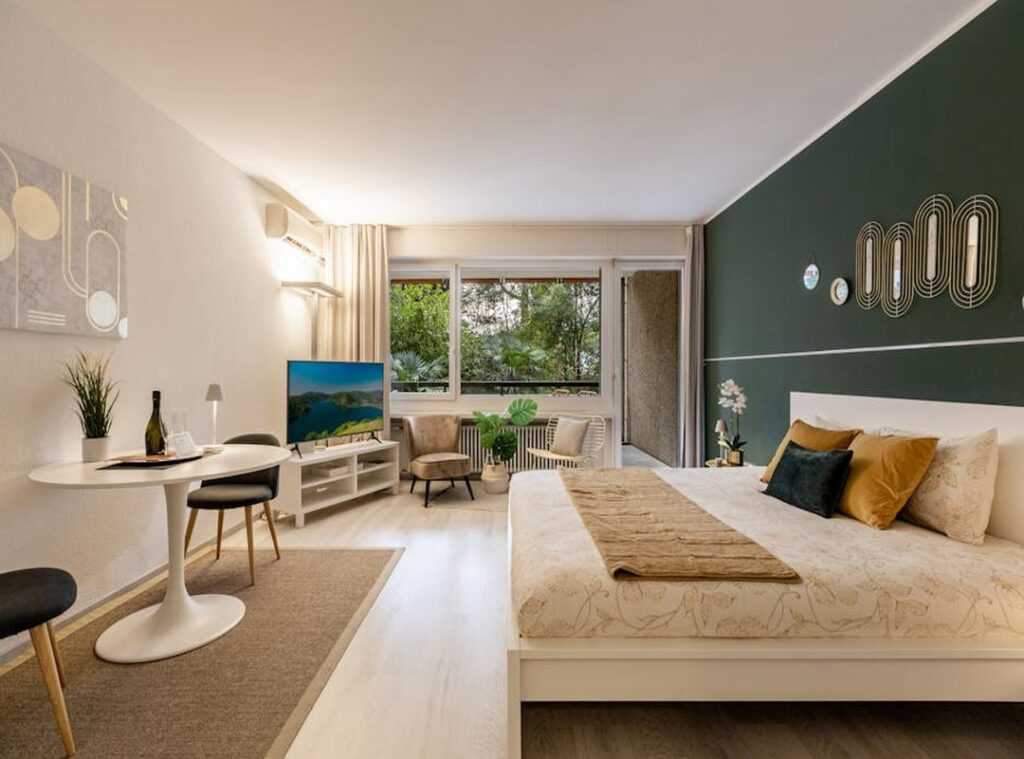
You’ve walked into your house and felt… nothing.
Not warmth. Not relief. Just the quiet disappointment of a space that holds you but doesn’t welcome you.
That’s not your fault. It’s not about square footage or granite countertops. It’s about whether your home answers the question you don’t even know you’re asking: Does this place feel like me?
I’ve watched homes transform (not) with remodels, but with one shelf moved, one light changed, one corner finally cleared. Small things. Real things.
Most people spend money on finishes and forget the feeling.
They install expensive tile but leave the hallway cold and echoey. They buy a statement sofa but ignore how it blocks the morning light.
It’s exhausting. And unnecessary.
I’ve seen this happen for years. Not in showrooms. In real homes.
With real budgets. With real lives lived inside them.
This isn’t theory. It’s what works when you stop chasing “luxury” and start building Homemendous.
By the end of this, you’ll know exactly why your space falls short. And what to change first. No fluff.
No jargon. Just the shift that makes everything else click.
The 3 Things Your Home Actually Needs
Light. Flow. Layering.
Not buzzwords. Not Pinterest bait. These are the bones.
I’m not sure why interior blogs skip over them. But they do. Then wonder why your $200 rug feels like a bandage on a broken arm.
Light means you can read the label on a spice jar at 4 p.m. without flipping a switch. It’s not about having ten sconces. It’s about where windows land and how light moves through the day.
One client removed a closet door in her kitchen. Suddenly, morning sun hit the coffee maker and the sink. She said it cut her “morning grump” in half.
(True story.)
Flow is carrying groceries without swerving around a side table.
It’s walking from bedroom to bathroom at night without stubbing your toe.
It’s not square footage (it’s) how air and bodies move.
Layering is texture you feel before you see it. A worn wood floor under a thick rug. A linen curtain over a metal rod.
No amount of accent pillows fixes a room that feels flat because it has zero depth.
Ask yourself right now:
Can I see daylight from at least two walls in my main living space? Can I walk a full loop through my home without turning sideways? Does any surface in my living area feel warm, rough, soft, or aged.
Not just smooth and new?
If you answered “no” to more than one, decorative upgrades will feel hollow.
That’s why Homemendous starts here (not) with paint swatches or throw blankets. Get these three right first. Everything else follows.
Or doesn’t.
Where Homeowners Bleed Cash (and How to Stop)
Smart-home hubs sit on shelves. Unused. Gathering dust.
I’ve seen three in one house. All still in the box.
Oversized chandeliers hang over empty hallways. No one walks there. No one looks up.
It’s just expensive ceiling art.
Imported tile in a guest bathroom?
That’s like putting Michelin-star silverware in a dorm kitchen.
Full-room wallpaper in the laundry room? You spend 8 minutes in there. Twice a week.
Here’s what works instead:
Layered dimmable LED strips under cabinets. Warm light. Zero wiring. $42.
A matte black faucet in that same guest bath. Feels expensive. Costs $89.
Peel-and-stick accent wall in the living room. Not the powder room. One shelf of real books.
Not decor. Actual reading material.
Sarah swapped her $1,200 foyer chandelier for recessed LEDs and a vintage floor lamp. She told me: “I finally want to sit in my living room.”
That’s not fluff. That’s emotional ROI.
Time spent × uplift per use × durability = your cost-to-joy ratio.
I wrote more about this in Homemendous Garden Infoguide.
Do the math before you buy.
Most people don’t need more stuff.
They need fewer distractions and more moments that feel like home.
Homemendous isn’t about scale. It’s about stopping the waste. Then redirecting that cash where it lands.
The ‘Quiet Luxury’ Principle: Not Minimalism (Just) Better
Quiet luxury isn’t about empty space.
It’s consistency.
Material. Tone. Proportion.
All humming in the same key.
I’ve walked into kitchens that cost $250k and felt cheap. Why? Brushed nickel faucet next to oil-rubbed bronze pulls.
Like wearing a Rolex with flip-flops. You feel the mismatch before you name it.
Does your home whisper confidence. Or shout confusion?
Here’s my 5-point visual audit. Do it with your phone camera on live view:
- Color harmony across surfaces (walls,) countertops, grout, hardware
- Consistent finish temperature.
Warm metals (brass, bronze) or cool (nickel, chrome) (never) both
- Scale alignment (switch) plates shouldn’t look like postage stamps next to 96-inch doors
- Tactile cohesion.
All wood grains flowing the same direction, not fighting each other
- Negative-space balance (empty) areas should feel intentional, not abandoned
This kitchen feels magnificent because every surface echoes warmth. Even the grout is beige-toned. That one decision eliminated visual static.
You don’t need more stuff. You need fewer contradictions.
The Homemendous garden infoguide by homehearted applies the same logic outdoors. Same rules. Same quiet power.
Mismatched planters beside mismatched hardscaping? Same problem. Different room.
I replaced all my cabinet pulls last year. Same finish. Same size.
Same screw spacing. Took two hours. Changed everything.
Would you rather fix one thing right (or) five things wrong?
Consistency isn’t boring. It’s restful. It’s expensive-looking without being expensive.
Stop chasing “more.”
Start editing for echo.
Test-Drive Magnificence in 72 Hours

I tried the 72-hour trial myself. Moved my couch six inches. Swapped one bulb for a warmer one.
Added a rug with actual texture (not) just color.
That’s it. No permits. No contractors.
No decision fatigue.
You isolate variables like this: test lighting first. Grab a portable LED panel. Cycle through 2700K, 4000K, and 5000K.
Sit in your chair. Wait ten minutes. Ask: *Does this feel like me.
Or a dentist’s office?*
One client thought she needed marble and millwork. Turns out her “magnificent moment” was a $180 window seat with deep cushions. She cried the first time she sat there at dawn.
Not because it was expensive. Because it held her.
The tracker is one page. Print it. Answer: When did I pause and breathe?
And: What felt off today, and why?
You don’t need to renovate to feel grounded. You need to pay attention. Then act on what you notice.
That’s how you find real change. Not trends. Not pressure.
Just you, clearer.
This isn’t about perfection. It’s about proof. Proof that small shifts land harder than big promises.
Homemendous starts here (not) later.
Magnificence Starts Tonight
I built homes for years before I realized magnificence isn’t bought. It’s earned.
With Homemendous, it’s earned through attention (not) square footage or finishes.
You don’t need a renovation. You need one change tonight.
Pick light. Or flow. Or layering.
Just one.
Adjust it before bed.
That’s your 72-hour trial. That’s the foundation triad in action.
Most people wait for permission. Or perfect timing. Or a bigger budget.
You already have what you need.
What’s stopping you from trying one thing tonight?
Magnificence isn’t found in the finish. It’s felt in the first quiet breath you take when you walk through the door.