You’ve stood in your backyard, sun on your face, and thought: This should feel like home. Not like a test I’m about to fail.
Most garden guides act like you’re running a botanical research station. Acres of land. A shed full of $200 trowels.
A degree in soil chemistry.
I’ve watched people quit before they even plant their first basil.
Because the truth is: you don’t need any of that.
I’ve designed, planted, and fixed small-space gardens for over twelve years. In apartments with fire escapes. On balconies in Chicago winters.
In Houston backyards where the soil baked hard as concrete.
No fancy tools. No perfect conditions. Just real life.
This isn’t about theory. It’s about what actually works when you’re tired, short on time, and sick of reading instructions that assume you speak Latin.
You’ll learn which plants grow well together (no charts required). When to plant based on your actual weather. Not some ancient moon chart.
How to turn yogurt cups and old buckets into great containers.
I’ve made every mistake so you don’t have to.
This is the Garden Infoguide Homemendous (practical,) no-jargon, built for how you actually live.
What “Homestyle” Really Means for Your Garden (and Why
Homestyle gardening is not a style. It’s a refusal.
I grow what I’ll actually eat. I plant where I’ll actually walk. I prune only when it gets in my way (not) because Pinterest says it’s “neat.”
Letting basil self-seed? Yes. Pruning it into a topiary shaped like Darth Vader?
No. (That was a real client request. I said no.)
Accessibility is non-negotiable. If you can’t reach the tomatoes without a ladder or a waiver, it’s not homestyle.
Seasonality matters more than symmetry. Kale in February. Zinnias in August.
Not the other way around.
Multi-use plants win every time. Rosemary for cooking, bees, and a privacy screen? Perfect.
Low-input maintenance means no daily misting rituals. If it needs more attention than my coffee habit, it’s out.
Integration with daily life is the quiet boss. Herbs next to the back door. Lettuce steps from the sink.
That’s how you eat fresh food. Not by scrolling garden reels.
Is your garden homestyle-ready? – Can you harvest dinner without changing clothes? – Does it look different (and) useful (every) month?
The Homemendous guide spells this out better than I ever could.
Garden Infoguide Homemendous isn’t theory. It’s a shovel in your hand and dirt under your nails.
The 8 Plants That Actually Pull Their Weight
I’ve killed more basil than I care to admit. So this list? It’s not aspirational.
It’s battle-tested.
Tomatoes need full sun and steady water. Harvest in 60. 80 days. Eat them warm off the vine with salt.
Or freeze whole for winter sauce. Mistake: planting too early. Frost kills seedlings dead.
Wait until night temps stay above 50°F.
Basil thrives beside tomatoes. Same sun, same water rhythm. Snip often (it) grows faster that way.
Use leaves fresh or blend into pesto (freeze in ice cube trays). Mistake: letting it flower. Then it turns bitter.
Parsley is the quiet workhorse. Partial shade? Fine.
Dry spells? Survives. Harvest in 70 days.
Chop stems and roots (both) are edible. Mistake: treating it like an annual. It’s biennial.
Let one plant go to seed and you’ll have parsley forever.
Lettuce grows from stumps. Just place the base in water for 2 days, then plant. Harvest outer leaves first.
Mistake: waiting too long. Bitterness hits fast in heat.
Green onions regrow from roots in water or soil. Ready in 10 days. Mistake: overwatering.
They rot easier than they grow.
Zinnias come from saved seeds. Bloom in 60 days. Cut flowers feed bees and last 10 days in a vase.
Mistake: spacing them too tight. Airflow stops mildew.
Beans fix nitrogen. Plant near corn or squash. Save dry pods for next year’s seeds.
Mistake: picking too late. Pods get leathery and tough.
Marigolds repel nematodes. Plant along garden edges. Petals garnish salads.
Mistake: using hybrids. Only open-pollinated types make reliable seeds.
Tools, Containers, and Setup That Fit Real Life. Not a Catalog
I don’t own a shed. And I refuse to buy one just to store tools I’ll use twice a year.
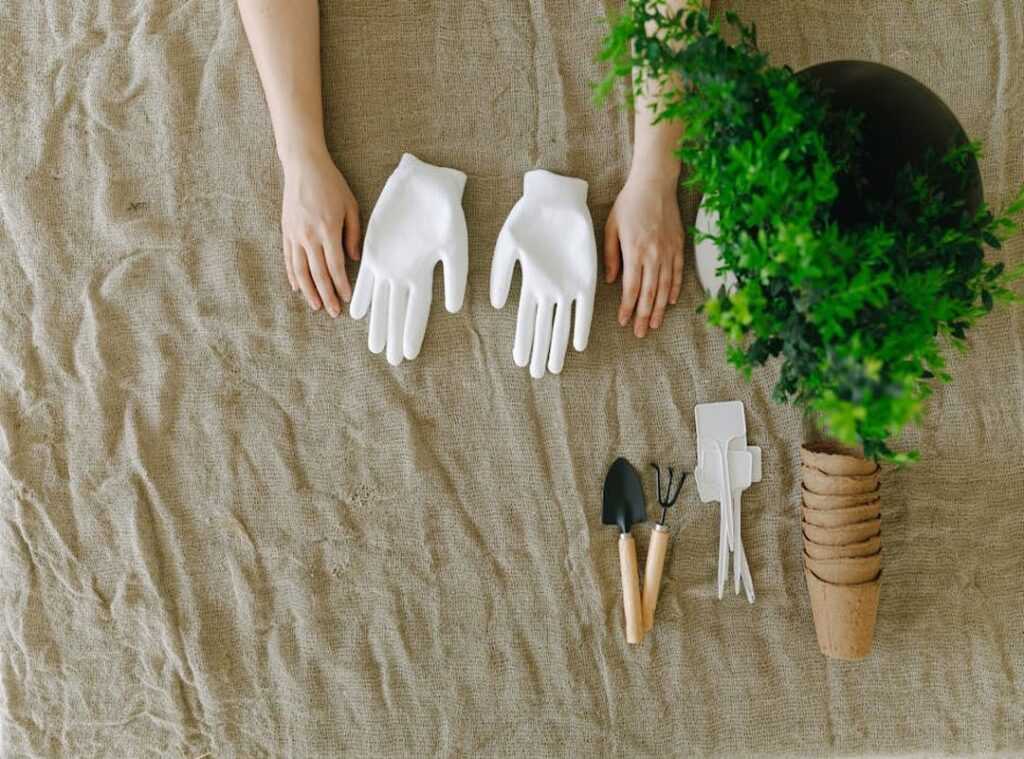
Here are the five things I actually reach for:
Trowel. For planting, dividing, scooping soil. Not decorative.
Get one with a stainless steel blade and a comfortable grip. Pruners. Bypass style only.
Anvil pruners crush stems. I’ve seen it happen. Watering can (With) a rose attachment.
No sprinkler nonsense. You want control. Gloves (Leather) or reinforced fabric.
Not those flimsy $3 ones that shred by week two. Kneeling pad (Foam) isn’t enough. I use a rubber-coated garden kneeler.
My knees thank me.
Yogurt cups? Perfect for seedlings. Poke holes in the bottom.
Drainage is non-negotiable. Wooden crates? Stack them.
Line with space fabric. Fill with soil. Done.
Old pallets? Stand them upright, staple fabric to the back, fill pockets with soil. Herbs love this.
Just don’t use treated wood near edibles.
Balcony gardening works. If you respect depth. Lettuce: 6 inches.
Tomatoes: 12+. Root-bound plants show pale leaves and circling roots. Pull them gently before transplanting.
Sunlight needs vary. A quick-reference table helps:
| Plant | Light Need | Spot It Likes |
|---|---|---|
| Basil | Full sun | South-facing deck |
| Lettuce | Partial shade | East window sill |
| Mint | Shade tolerant | North corner |
The Garden Infoguide Homemendous cuts through the noise. If your space is tight but your ambition isn’t, check out the Terrace upgrade homemendous for real-world balcony fixes. No fluff.
Just what fits.
Seasonal Rhythms. No Calendar Required
I stopped checking the calendar for planting years ago.
I watch the dandelions instead. When they bloom, I sow beans. When lilacs fade, I transplant lettuce.
That’s how it works.
Garden Infoguide Homemendous taught me this (not) with dates, but with cues.
Spring isn’t March 20th. It’s Awaken: pull weeds while soil is cool, direct-sow peas when robins nest, split perennials after the last frost (yes, check your local frost map. NOAA’s 30-year average is free and accurate).
Summer is Grow: pinch basil weekly, stake tomatoes before wind bends them, water deeply at dawn. Not sprinkling all day.
Late summer shifts to Gather: dry oregano when flowers just open, freeze pesto in ice cube trays, harvest beans every two days or they turn tough.
Fall is Rest: turn fallen leaves into mulch. Just pile them. No shredder.
No compost bin required. (Works fine under shrubs by November.)
What if spring is late? Wait until soil warms enough to walk barefoot on it for 10 seconds. Still cold?
Delay. What if rain won’t stop? Skip transplanting.
Let seedlings stretch indoors another week.
Insects tell time too. See ladybugs? Time to plant squash.
Hear crickets at dusk? Corn’s ready.
You already know more than you think.
Troubleshooting Without Panic: Real Fixes for Real Gardens
Leggy seedlings? That’s not bad genetics. It’s your light source being too far away (or) you’re starting them indoors way too early.
Move the grow light 2 inches closer today. Next season, wait until soil hits 60°F before sowing. This won’t ruin your garden (and) often makes it more resilient.
Aphids on kale? They show up because your plants are stressed (usually) from over-fertilizing or drought. Blast them off with a strong spray of water.
Then plant nasturtiums nearby next spring as a trap crop. This won’t ruin your garden. And often makes it more resilient.
Powdery mildew on squash? Humidity + still air + leaves staying wet overnight. Prune lower leaves to improve airflow.
And stop watering at dusk. This won’t ruin your garden (and) often makes it more resilient.
Cover planted areas with chicken wire under mulch. Or switch to daffodils (they hate them). This won’t ruin your garden.
Squirrels digging up bulbs? They smell the fertilizer. Not the bulbs.
And often makes it more resilient.
Uneven tomato ripening? It’s usually sun exposure and inconsistent watering. Not disease.
Rotate fruit clusters gently so all sides get light. Mulch thickly to steady moisture. This won’t ruin your garden.
And often makes it more resilient.
Some yellow leaves = normal aging. Yellow + curl = check your hose habit.
I keep a dog-eared copy of the Garden Infoguide Homemendous near my potting bench. When exterior stress hits. Like peeling paint or warped siding.
I head straight to the Home exterior upgrade homemendous page. Same calm logic. Different tools.
Your First Plant Is Already Waiting
I’ve shown you how to start. No green thumb needed. No fancy tools.
No pressure to get it right the first time.
You just need one plant. One container. One seasonal cue to watch for.
That’s it.
Most people stall because they think gardening means perfection. It doesn’t. It means showing up (even) if you forget to water for three days.
Grab a pot. Fill it with soil. Plant one seed or seedling.
Then take a photo. Not for likes. Just for you.
A marker. Proof you began.
Garden Infoguide Homemendous gives you that permission. No gatekeeping, no jargon, no guilt.
Your garden isn’t waiting for you to be ready.
It’s ready for you. Right now, exactly as you are.
Do it today.